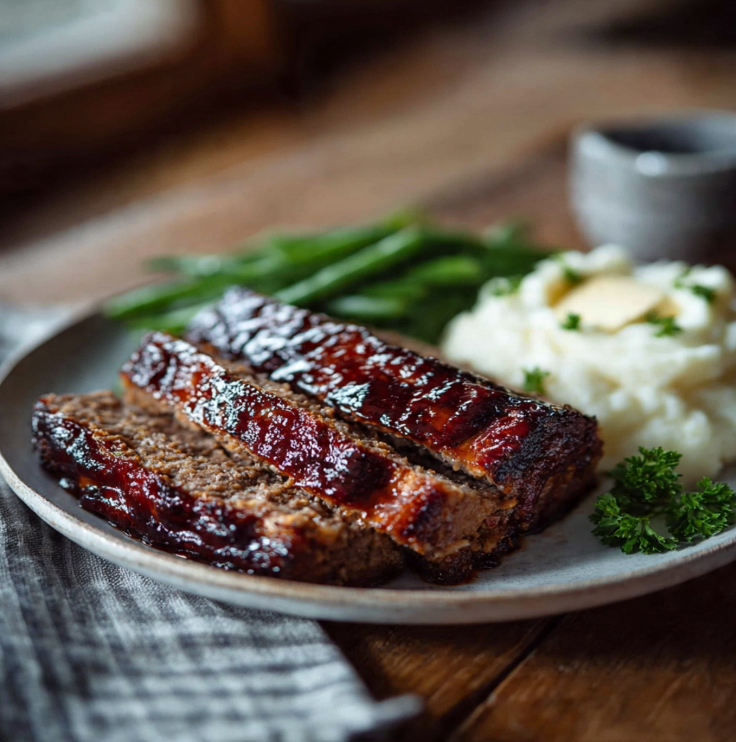
The Best Meatloaf: A Classic Recipe That Never Goes Out of Style

Meatloaf stands as one of America’s most beloved comfort foods—a dish that graces dinner tables from coast to coast. Whether you’re a seasoned home cook or just starting your culinary journey, this comprehensive guide will help you create the best meatloaf that rivals any restaurant version. We’ll explore what makes meatloaf exceptional, share proven techniques, and provide you with a foolproof recipe that keeps families coming back for seconds.
Why Meatloaf Remains a Timeless Classic
Meatloaf’s enduring popularity stems from several factors:
- Affordability: Ground meat and pantry staples create an economical meal
- Versatility: Endless variations accommodate different tastes and dietary preferences
- Simplicity: Straightforward preparation requires minimal culinary expertise
- Consistency: Reliable results make it perfect for weeknight dinners
- Leftovers: Creates delicious sandwiches the next day
What Makes the Best Meatloaf?
Creating superior meatloaf requires understanding four critical elements:
1. The Perfect Meat Blend
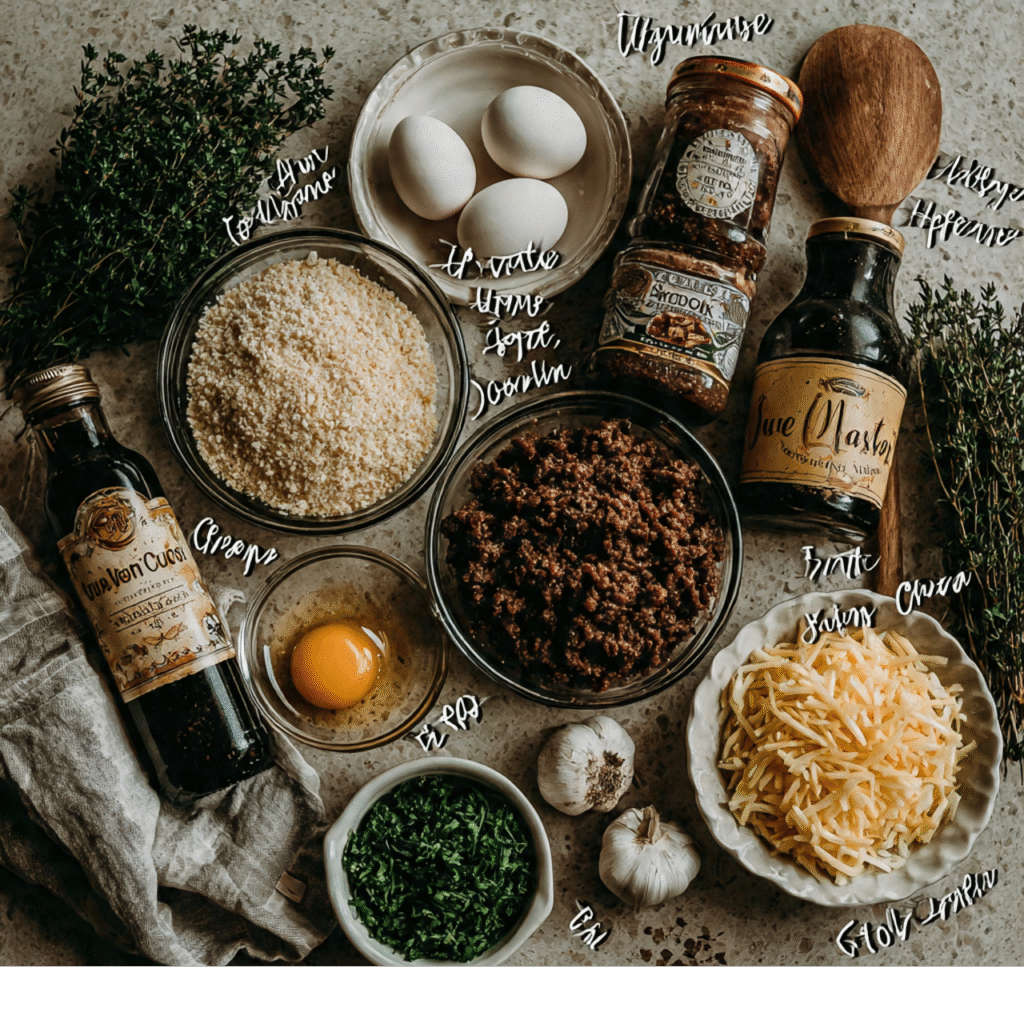
The foundation of exceptional meatloaf lies in your protein selection. Rather than using ground beef exclusively, the best meatloaf combines:
- 80/20 ground beef (provides flavor and fat)
- Ground pork (adds moisture and subtle sweetness)
- Ground veal (optional, enhances tenderness)
The ideal ratio uses 60% beef, 30% pork, and 10% veal. This combination prevents the meatloaf from becoming tough or dry—a common pitfall when using beef alone.
2. The Binder System
Most recipes use breadcrumbs, but the best meatloaf incorporates a more sophisticated approach:
Traditional binder: Breadcrumbs + milk mixture creates a paste (called panade)
The panade performs three crucial functions:
- Absorbs and retains moisture during cooking
- Creates a tender crumb structure
- Helps distribute seasonings evenly
Use panko breadcrumbs for better texture and always soak them in milk before mixing.
3. Strategic Seasoning
Beyond salt and pepper, the best meatloaf includes:
- Worcestershire sauce (umami depth)
- Dijon mustard (subtle tang and complexity)
- Minced garlic (aromatic intensity)
- Fresh herbs (parsley and thyme for brightness)
- Soy sauce (additional umami notes)
4. The Perfect Topping
A quality glaze or topping elevates meatloaf from ordinary to extraordinary. The best meatloaf features a sticky, caramelized exterior created by a savory-sweet glaze applied during the final baking stages.
The Best Meatloaf Recipe
Ingredients
For the meatloaf:
- 1 lb ground beef (80/20)
- 8 oz ground pork
- ½ cup panko breadcrumbs
- ⅓ cup whole milk
- 1 large egg
- ¼ cup yellow onion, finely minced
- 3 cloves garlic, minced
- 2 tablespoons Worcestershire sauce
- 1 tablespoon Dijon mustard
- 1 tablespoon soy sauce
- ½ teaspoon dried thyme
- ¼ cup fresh parsley, chopped
- 1 teaspoon kosher salt
- ½ teaspoon fresh black pepper
- ¼ teaspoon cayenne pepper (optional)
For the glaze:
- ⅓ cup ketchup
- 2 tablespoons brown sugar
- 1 tablespoon apple cider vinegar
- ½ teaspoon mustard powder
- ¼ teaspoon smoked paprika
Instructions
Step 1: Prepare Your Pan
Preheat your oven to 350°F (175°C). Line a 9×5-inch loaf pan with aluminum foil or parchment paper, allowing overhang on the sides. This aids removal and cleanup. Alternatively, use a rimmed baking sheet and shape the meatloaf freeform.
Step 2: Create the Panade
Combine panko breadcrumbs and milk in a small bowl. Let sit for 2-3 minutes until the breadcrumbs absorb the liquid completely. This step is non-negotiable for achieving tender, moist meatloaf.
Step 3: Combine Ingredients Gently
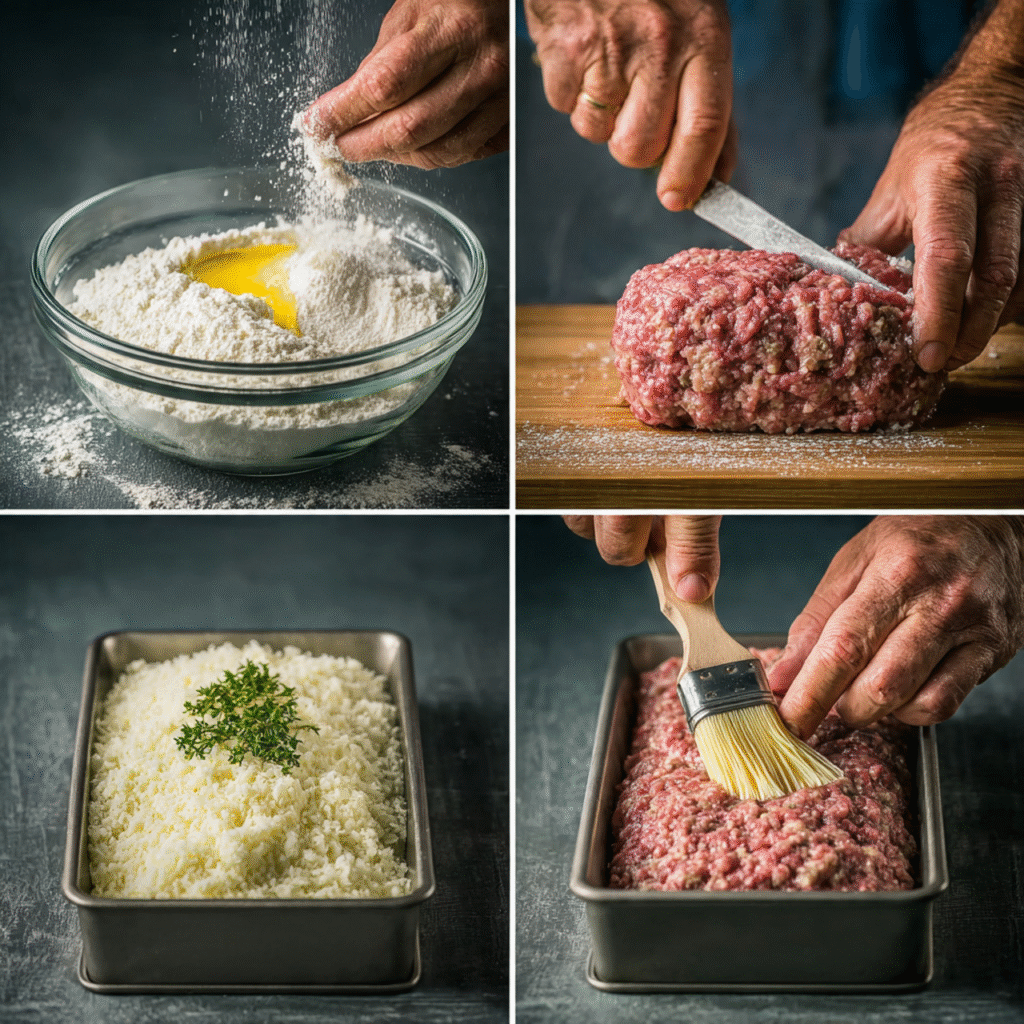
In a large mixing bowl, combine ground beef and pork. Add the panade mixture, along with the egg, minced onion, and garlic.
Pour Worcestershire sauce, Dijon mustard, and soy sauce over the mixture. Sprinkle dried thyme, fresh parsley, kosher salt, black pepper, and cayenne pepper.
Critical technique: Mix ingredients using your hands, combining until just unified. Overworking the mixture develops gluten in the meat, resulting in a dense, tough texture. Stop mixing as soon as all ingredients are distributed.
Step 4: Shape the Meatloaf
If using a loaf pan, press the mixture evenly without compacting. For freeform preparation on a baking sheet, shape into a 9×5-inch oval approximately 2 inches thick.
Step 5: Prepare the Glaze
While the meatloaf prepares, combine ketchup, brown sugar, apple cider vinegar, mustard powder, and smoked paprika in a small saucepan. Heat over medium heat, stirring frequently, until the mixture reaches a gentle simmer. Cook for 2 minutes, then set aside to cool slightly.
Step 6: Initial Bake
Place the meatloaf in the preheated oven. Bake for 35 minutes without any topping.
Step 7: Apply the Glaze
Remove the meatloaf from the oven. Using a brush, apply an even layer of glaze across the top surface.
Return to the oven and bake for an additional 15-20 minutes, until the internal temperature reaches 160°F (71°C) when measured with a meat thermometer inserted into the thickest portion.
Step 8: Rest Before Serving
Remove the finished meatloaf from the oven and allow it to rest for 10 minutes before slicing. This resting period redistributes juices throughout the meat, ensuring moist slices.
Cooking Time Summary
- Preparation: 15 minutes
- Initial bake: 35 minutes
- Glazed bake: 15-20 minutes
- Resting: 10 minutes
- Total time: approximately 70-75 minutes
Expert Tips for the Best Meatloaf
Use a Meat Thermometer
Never rely on appearance alone. The only accurate way to ensure perfectly cooked meatloaf is using an instant-read thermometer. Ground meat must reach 160°F (71°C) for food safety.
Don’t Skip the Resting Period
Just as with steaks, resting allows the meat fibers to reabsorb moisture, preventing a dry interior when sliced.
Invest in Quality Ground Meat
Purchase freshly ground meat from your butcher whenever possible. Pre-packaged supermarket meat often contains fillers and additives that compromise texture and flavor.
Preserve Moisture with a Water Bath
For extra insurance against dryness, place your loaf pan in a larger baking pan filled with ½ inch of hot water. This water bath moderates temperature and maintains moisture throughout cooking.
Create a Loaf Pan Liner
Lining your loaf pan with foil allows easy removal without breakage. Leave enough overhang to use as handles when lifting the finished meatloaf from the pan.
Season Your Meat Mixture Properly
Taste a small portion of raw mixture before baking. Form a small patty and cook it in a skillet for 1-2 minutes per side. This test ensures adequate seasoning before committing the entire loaf.
Choose the Right Pan
Standard 9×5-inch loaf pans work perfectly, but free-form meatloaf on a rimmed baking sheet allows superior browning and glaze caramelization due to increased surface area exposure.
Variations on the Best Meatloaf
Italian-Style Meatloaf
Replace ketchup-based glaze with marinara sauce. Add ½ cup grated Parmesan cheese and ½ cup Italian breadcrumbs to the meat mixture. Top with fresh mozzarella during the final 5 minutes of baking.
BBQ Meatloaf
Substitute the standard glaze with your favorite barbecue sauce. Add 1 tablespoon liquid smoke and ½ teaspoon smoked paprika to the meat mixture for authentic BBQ flavor.
Bacon-Wrapped Meatloaf
Drape 4-6 strips of bacon across the top before baking. The bacon renders, adding fat and smoky flavor while keeping the meatloaf moist.
Turkey Meatloaf (Lighter Version)
Replace beef and pork with 1.5 lbs ground turkey. Add an extra egg and increase milk to ½ cup to compensate for turkey’s lower fat content. Reduce initial bake time to 30 minutes.
Mediterranean Meatloaf
Incorporate ½ cup crumbled feta cheese, ¼ cup sun-dried tomatoes (chopped), and 2 tablespoons fresh oregano into the meat mixture. Top with tzatziki sauce instead of traditional glaze.
Serving Suggestions for the Best Meatloaf
Classic Pairings
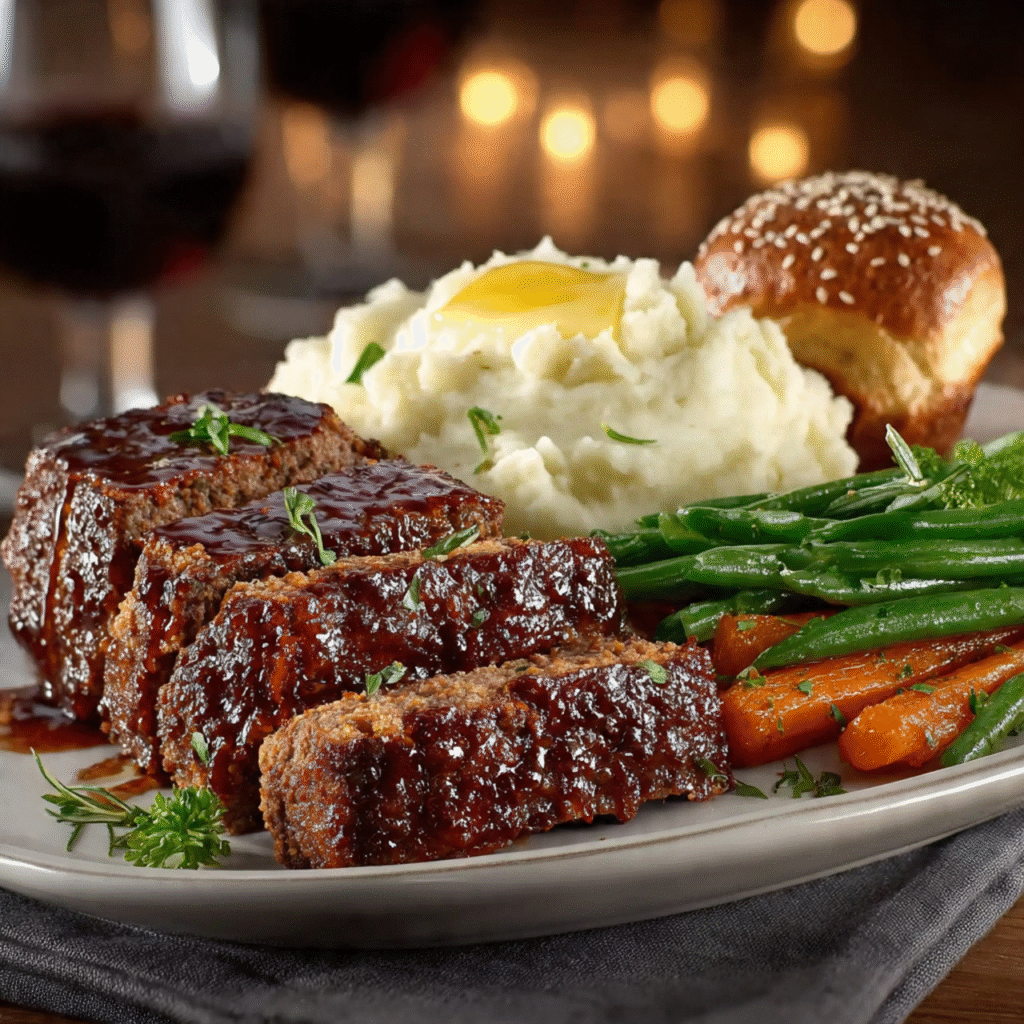
Serve your best meatloaf alongside:
- Creamy mashed potatoes with butter and fresh herbs
- Roasted vegetables (carrots, green beans, Brussels sprouts)
- Simple garden salad with vinaigrette
- Buttered dinner rolls for sauce absorption
- Mac and cheese for ultimate comfort
- Glazed root vegetables (sweet potatoes, parsnips)
Temperature Considerations
Serve meatloaf hot from the oven or at room temperature. Cold leftover meatloaf makes exceptional sandwiches on fresh bread with mayo and mustard.
Sauce Accompaniments
While the glaze provides substantial flavor, additional sauces enhance the experience:
- Sour cream mixed with fresh dill
- Horseradish cream sauce
- Mushroom gravy
- Chimichurri for Latin-inspired variations
Storage and Leftover Management
Refrigerator Storage
Cool the meatloaf completely before transferring to an airtight container. Properly stored, meatloaf keeps for 3-4 days in the refrigerator.
Reheating: Wrap individual slices in damp paper towels and microwave for 1-2 minutes, or reheat in a 350°F oven for 10-15 minutes wrapped in foil.
Freezer Storage
Meatloaf freezes exceptionally well. Slice before freezing, placing parchment paper between slices to prevent sticking. Store in freezer bags for up to 3 months.
Thaw in the refrigerator overnight before reheating.
Creative Leftover Ideas
- Meatloaf Sandwiches: Layer slices on toasted bread with lettuce, tomato, and mayo
- Meatloaf Hash: Dice and combine with diced potatoes, onions, and peppers; pan-fry until crispy
- Meatloaf Pasta Sauce: Crumble and simmer in marinara for spaghetti
- Meatloaf Tacos: Shred and use as filling for soft tortillas
- Meatloaf Fried Rice: Dice and incorporate into fried rice with vegetables
Nutrition Information
Per serving (based on 8 servings per loaf):
- Calories: 285
- Protein: 28g
- Fat: 14g
- Carbohydrates: 12g
- Fiber: 0.5g
- Sodium: 580mg
Nutritional values vary based on specific ingredients and brands used.
Common Mistakes to Avoid
1. Overmixing the Meat
This is the primary cause of dense, tough meatloaf. Mix only until ingredients combine; excessive handling develops gluten networks.
2. Using Ground Beef Exclusively
Beef alone lacks sufficient fat and moisture. The pork addition is essential for the best meatloaf.
3. Skipping the Panade
Breadcrumbs alone dry out during baking. The milk-soaked panade creates the tender texture that defines exceptional meatloaf.
4. Insufficient Seasoning
Taste the raw mixture. Ground meat requires more aggressive seasoning than you might expect.
5. Overcooking
Monitor temperature carefully. Ground meat becomes dry above 165°F (74°C). Remove from the oven at exactly 160°F (71°C).
6. Neglecting the Resting Period
This short pause makes a measurable difference in juiciness and texture.
7. Using Low-Quality Glaze
Invest 5 minutes in homemade glaze. Pre-bottled condiments often contain excessive sugar and artificial ingredients.
Why This Recipe Creates the Best Meatloaf
This recipe achieves excellence through strategic ingredient selection and precise technique:
- Meat blend prevents dryness and toughness
- Panade system ensures maximum moisture retention
- Umami-rich seasonings create depth and complexity
- Gentle mixing preserves tender texture
- Proper temperature monitoring prevents overcooking
- Homemade glaze provides balanced sweet-savory flavor
- Resting period maximizes juiciness
The combination of these elements produces meatloaf that transcends the ordinary, delivering restaurant-quality results in your home kitchen.
Frequently Asked Questions
Q: Can I make meatloaf without breadcrumbs?
A: You can, but breadcrumbs (properly prepared as panade) are essential for the best meatloaf texture. Alternatives like crushed crackers or oats work, but results differ noticeably.
Q: Should I drain grease during cooking?
A: Minimal grease renders during cooking with this recipe’s meat blend. If excessive fat accumulates (beyond ¼ cup), carefully tilt the pan to drain, but this is uncommon.
Q: Can I prepare meatloaf ahead of time?
A: Absolutely. Form the meatloaf up to 24 hours before baking. Cover and refrigerate, then add 5-10 minutes to baking time since it starts cold.
Q: Why is my meatloaf cracking?
A: Cracking typically indicates overmixing or insufficient moisture. Ensure proper panade preparation and gentle mixing.
Q: What’s the best glaze if I don’t have apple cider vinegar?
A: Substitute red wine vinegar or white vinegar in equal quantity. Each creates slightly different flavor profiles but achieves excellent results.
Q: Can I use a food processor to mince ingredients?
A: Yes, but pulse rather than continuous processing. You want distinct pieces, not pureed ingredients.
Q: Is there a vegetarian meatloaf option?
A: Absolutely. Combine lentils, mushrooms, walnuts, and beans with the panade system for excellent vegetarian results.
Conclusion
Mastering the best meatloaf requires understanding the science behind each component while maintaining respect for classic technique. This recipe, refined through countless iterations and professional kitchens, delivers consistently exceptional results.
Whether you’re cooking for a family dinner, preparing meals for the week, or introducing a young cook to fundamental culinary techniques, this meatloaf recipe provides the foundation for success. The combination of quality ingredients, proper proportions, and attentive technique elevates this humble dish to the comfort food hall of fame.