Margherita Pizza with Burrata & Basil Oil: The Luxurious Italian Masterpiece That’s Redefining Pizza Night

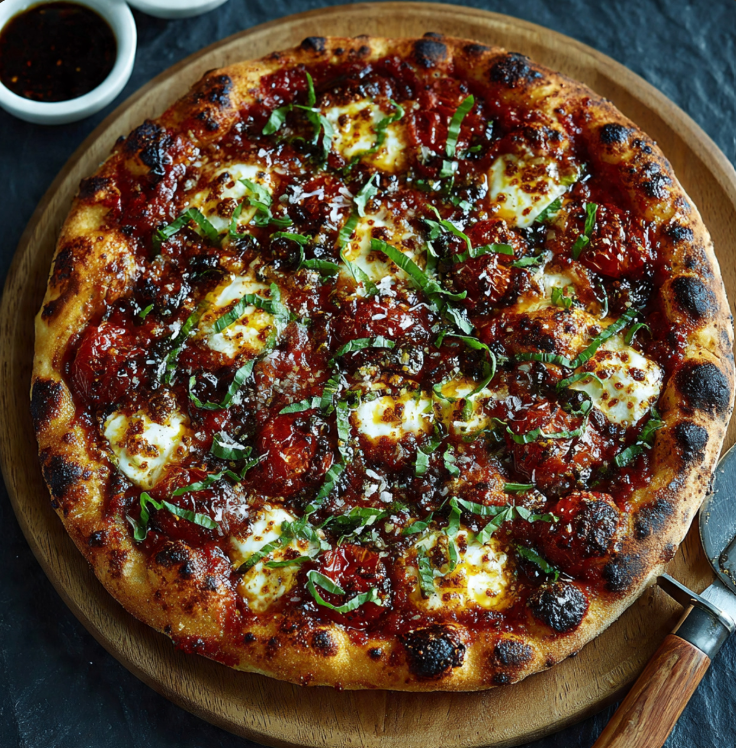
The traditional Margherita pizza has captivated hearts worldwide since 1889, but today’s revolutionary Margherita pizza with burrata and basil oil elevates this Neapolitan classic into pure culinary artistry. This extraordinary interpretation transforms the humble pizza into an Instagram-worthy gourmet experience that rivals dishes from Michelin-starred restaurants. By replacing standard mozzarella with creamy burrata and drizzling aromatic basil oil over the perfectly charred crust, this recipe creates flavor dimensions that make ordinary pizza seem like a distant memory.
What makes this Margherita pizza with burrata and basil oil truly exceptional isn’t just the premium ingredients – it’s the harmonious balance between tradition and innovation. While honoring the original’s simplicity and fresh flavors, this elevated version introduces textural complexity and aromatic depth that transforms each bite into a revelation. Whether you’re impressing dinner guests, celebrating special occasions, or simply treating yourself to extraordinary homemade pizza, this recipe delivers restaurant-quality results that’ll forever change your pizza expectations.
The Heritage Behind the Innovation
Understanding the Margherita’s sacred place in Italian cuisine helps appreciate why this burrata variation creates such excitement among food enthusiasts. The original Margherita pizza, created for Queen Margherita of Savoy, represented the Italian flag with red tomatoes, white mozzarella, and green basil. This patriotic combination established the gold standard for pizza simplicity and quality.
Today’s Margherita pizza with burrata and basil oil maintains this color symbolism while introducing contemporary Italian ingredients that weren’t widely available outside Italy until recently. Burrata, meaning “buttered” in Italian, originated in Puglia during the 1920s as a way to use mozzarella scraps. This cheese has since become the darling of modern Italian cuisine, prized for its contrasting textures and rich, creamy center that creates an entirely different pizza experience.
Essential Components for Pizza Perfection
The Dough Foundation
Creating exceptional Margherita pizza with burrata and basil oil begins with perfect dough. This recipe uses a 72-hour cold fermentation process that develops complex flavors and creates the characteristic leopard-spotted crust of authentic Neapolitan pizza.
Pizza Dough Ingredients:
- 500g Tipo “00” flour (or bread flour)
- 325ml room temperature water
- 10g sea salt
- 3g active dry yeast
- 1 tablespoon extra virgin olive oil
The extended fermentation breaks down proteins and starches, making the dough more digestible while creating incredible flavor depth. This patient approach distinguishes artisanal pizza from quick-rise versions, producing a crust that’s simultaneously crispy, chewy, and light.
Premium Topping Selection
San Marzano Tomato Sauce:
- 400g canned San Marzano tomatoes
- 2 cloves garlic, minced
- 1 teaspoon sea salt
- 1/2 teaspoon black pepper
- 1 tablespoon extra virgin olive oil
- Fresh basil leaves
Star Ingredients:
- 2 balls fresh burrata cheese (8 oz each)
- Fresh basil leaves (about 20 large leaves)
- High-quality extra virgin olive oil
- Flaky sea salt
- Freshly cracked black pepper
Basil Oil Preparation
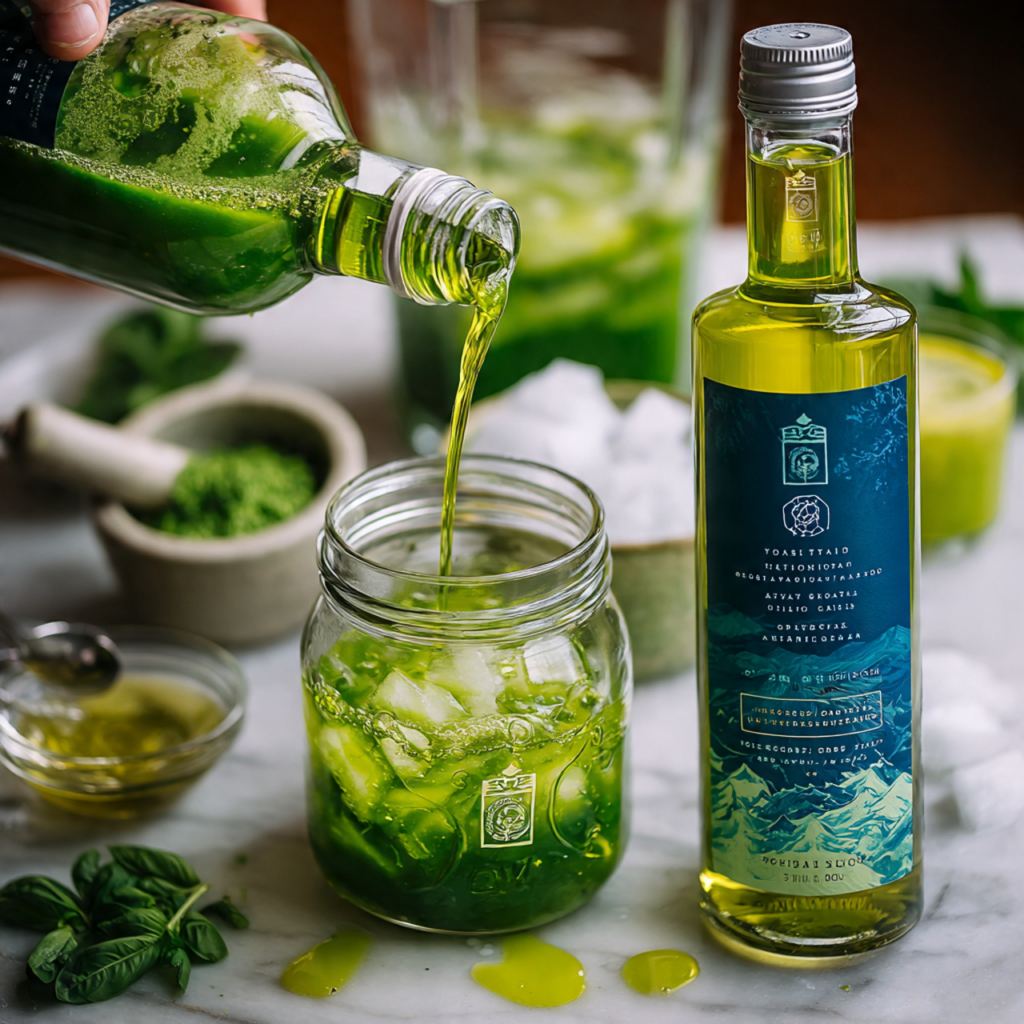
The basil oil elevates this Margherita pizza with burrata beyond ordinary expectations, providing concentrated herb essence without wilted leaves.
Basil Oil Ingredients:
- 2 cups fresh basil leaves, packed
- 1 cup extra virgin olive oil
- 1/2 teaspoon salt
- Ice bath for blanching
Blanch basil leaves for 10 seconds, immediately transfer to ice water, then squeeze dry. Blend with oil and salt until completely smooth. Strain through cheesecloth for pristine green oil that maintains vibrant color and intense flavor.
Step-by-Step Preparation Method
Advanced Dough Technique
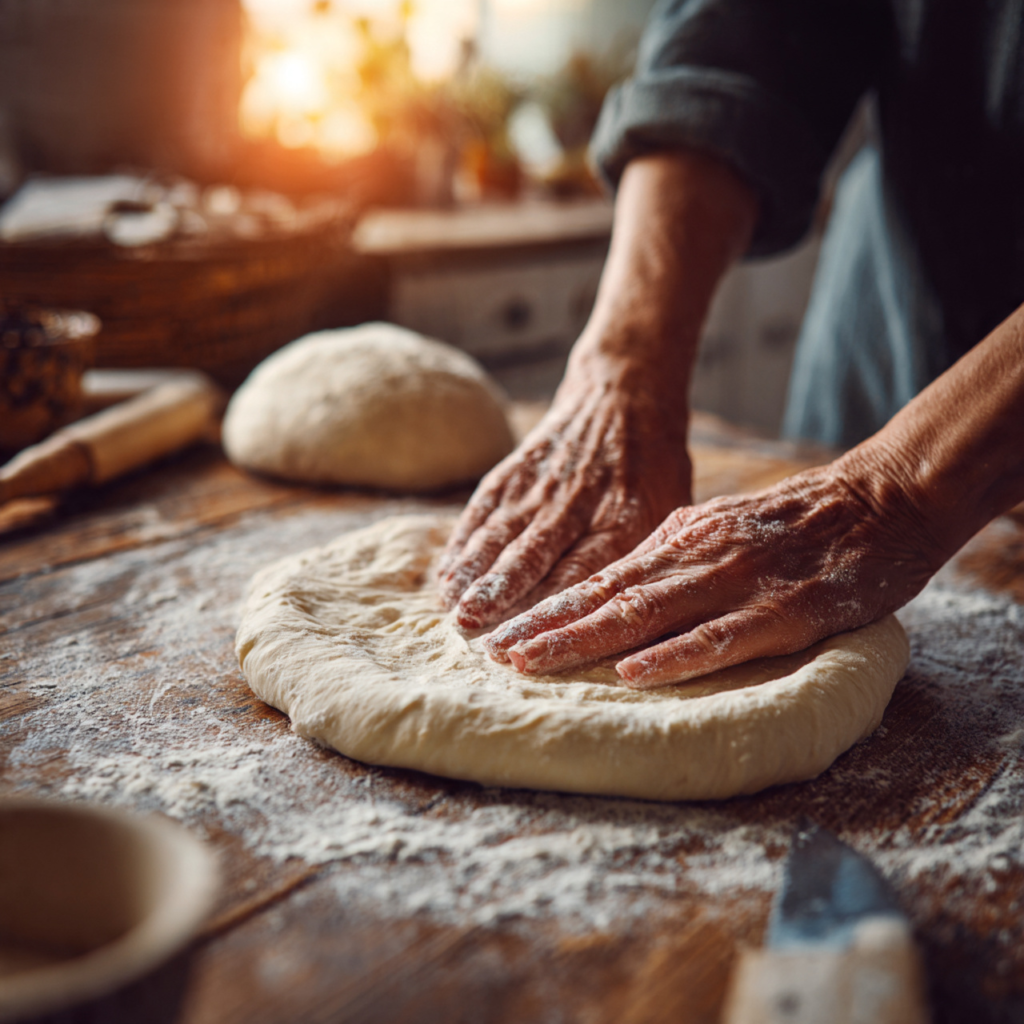
Begin your Margherita pizza with burrata and basil oil three days before serving for optimal flavor development. Dissolve yeast in lukewarm water, waiting until foamy. Combine flour and salt in a large bowl, create a well, then gradually incorporate water mixture.
Knead for 10-12 minutes until smooth and elastic – the dough should pass the windowpane test, stretching thin enough to see light through without tearing. Place in oiled container, cover tightly, and refrigerate for 72 hours. This slow fermentation develops the complex, slightly tangy flavor distinguishing exceptional pizza dough.
Remove dough two hours before use, dividing into 250g portions for individual pizzas. Shape into tight balls, cover with damp cloth, and let reach room temperature. This relaxation period ensures easy stretching without spring-back.
Sauce Crafting
Unlike typical pizza sauces, the sauce for Margherita pizza with burrata and basil oil remains uncooked, preserving tomatoes’ fresh, bright flavor. Crush San Marzano tomatoes by hand, removing seeds while maintaining chunky texture. Mix with minced garlic, salt, pepper, and olive oil. Add torn basil leaves just before using to prevent oxidation.
This raw sauce method, called “salsa cruda,” allows tomatoes to cook directly on pizza, concentrating flavors while maintaining freshness. The technique respects ingredients’ natural qualities rather than masking them with excessive cooking.
Stretching and Shaping
Professional pizza-making requires proper stretching technique. Flour your work surface generously, place dough ball in center, and gently press from center outward, leaving 1-inch border for crust. Lift dough, letting gravity stretch it while rotating between your knuckles – avoid using rolling pins which compress air bubbles essential for light texture.
Achieve approximately 12-inch diameter with slightly thicker edges. Don’t worry about perfect circles; rustic shapes add authentic charm. Transfer to parchment paper for easier handling.
Assembly and Baking Strategy
Preheat your oven to its maximum temperature (usually 500-550°F) with pizza stone or steel inside for at least 45 minutes. This extreme heat mimics wood-fired ovens, creating characteristic charred bubbles and crispy-chewy texture.
Spread thin sauce layer, leaving border clear for crust development. Less is more – excessive sauce creates soggy results. Traditional Margherita uses minimal toppings, allowing each ingredient to shine.
Slide pizza onto hot stone using pizza peel or inverted baking sheet. Bake 7-10 minutes until crust develops golden-brown spots with slight charring. Remove from oven, immediately add torn burrata pieces while pizza is hot enough to slightly melt the outer mozzarella layer while maintaining creamy interior.
The Art of Finishing Touches
Burrata Application Technique
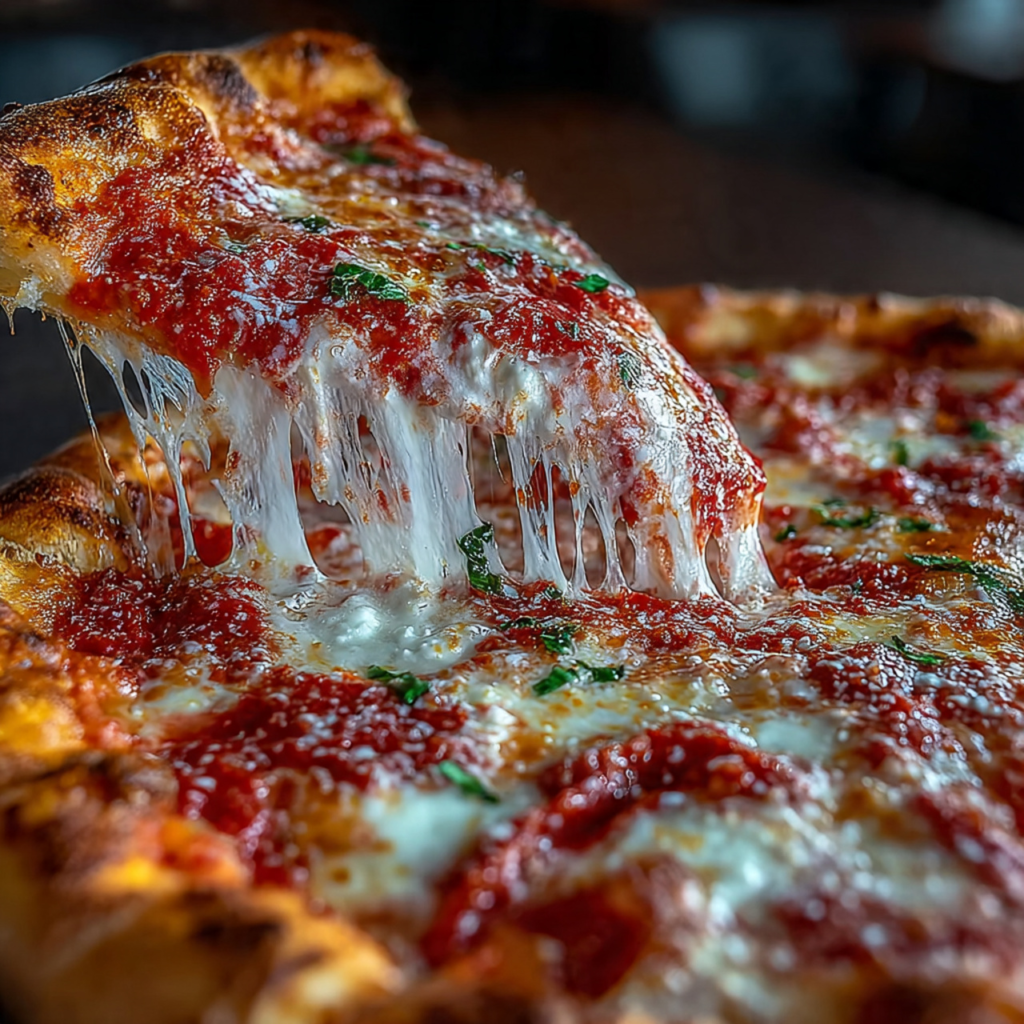
The moment of adding burrata to your Margherita pizza requires precision. Tear burrata into 6-8 pieces, distributing evenly across hot pizza. The residual heat should warm burrata without completely melting it, preserving the textural contrast between creamy stracciatella center and tender mozzarella exterior.
Season burrata with flaky sea salt and freshly cracked black pepper immediately after placing. This seasoning adheres better to cheese’s moist surface and enhances its mild flavor without overwhelming delicate dairy notes.
Basil Oil Drizzling
Drizzle basil oil in deliberate patterns across the entire pizza, including crust edges. This final touch adds aromatic intensity and visual appeal with vibrant green color contrasting against white burrata and red sauce.
Apply oil generously but not excessively – approximately 2-3 tablespoons per pizza. The oil should enhance, not overwhelm, other flavors. Consider using squeeze bottles for precise application and professional presentation.
Variations and Customizations
Seasonal Adaptations
Transform your Margherita pizza with burrata and basil oil seasonally:
Summer Version: Add heirloom cherry tomatoes and fresh corn kernels
Fall Interpretation: Incorporate roasted butternut squash and sage oil
Winter Comfort: Include caramelized onions and truffle oil drizzle
Spring Refresh: Feature asparagus ribbons and pea shoots
Protein Additions
While purists might object, these proteins complement without overwhelming:
- Prosciutto di Parma added post-baking
- Spicy calabrese for heat lovers
- Grilled shrimp for seafood variation
- Crispy pancetta for textural contrast
Dietary Accommodations
Gluten-Free Option: Use caputo gluten-free flour blend, adjusting hydration as needed
Vegan Alternative: Replace burrata with cashew-based vegan mozzarella, ensure dough contains no dairy
Lower-Calorie Version: Use part-skim mozzarella instead of burrata, reduce oil quantities
Wine Pairings and Serving Suggestions
The richness of Margherita pizza with burrata and basil oil demands thoughtful beverage pairing:
Italian Wines:
- Chianti Classico for traditional pairing
- Vermentino for white wine preference
- Prosecco for celebratory occasions
- Nero d’Avola for bold flavor complement
Craft Beer Options:
- Italian Pilsner for authentic experience
- Saison for complementary herb notes
- Wheat beer for creamy texture echo
Serve immediately after preparation, as burrata’s temperature contrast diminishes quickly. Cut into smaller pieces than typical pizza to showcase toppings and prevent sliding. Provide plates rather than eating hand-held to maintain elegant presentation.
Professional Tips for Home Success
Temperature Management
Achieving pizzeria-quality results requires maximum heat. If your oven doesn’t reach 550°F, try the broiler method: bake pizza on bottom rack, then finish under broiler for leopard-spotted crust.
Moisture Control
Burrata’s high moisture content can create soggy centers. Combat this by:
- Draining burrata thoroughly before use
- Adding cheese post-baking
- Using slightly less sauce beneath cheese areas
- Preheating serving plates to maintain temperature without continued cooking
Make-Ahead Strategies
Prepare dough and basil oil up to one week ahead. Form dough balls, wrap individually, and freeze up to three months. Basil oil maintains quality refrigerated for two weeks in airtight containers.
Conclusion: Elevating Pizza Night Forever
The Margherita pizza with burrata and basil oil represents more than recipe innovation – it’s a celebration of Italian culinary evolution. By honoring traditional techniques while embracing modern ingredients, this pizza creates unforgettable dining experiences that transform ordinary nights into special occasions.
Mastering this recipe empowers home cooks to produce pizzeria-quality results surpassing many restaurants. The combination of patient dough fermentation, premium ingredients, and thoughtful technique yields pizzas that impress the most discerning palates while remaining achievable for dedicated home cooks.
Embrace this elevated approach to pizza-making and discover why Margherita pizza with burrata and basil oil has become the new standard for gourmet homemade pizza. Each perfectly balanced bite – creamy burrata melting into tangy tomato sauce, fragrant basil oil perfuming crispy-chewy crust – confirms that sometimes, perfection comes from reimagining classics rather than reinventing them entirely.