Boneless Tri Tip Steak Recipe: The Ultimate Guide to Perfectly Grilled Butcher’s Secret Cut

The boneless tri tip steak has long been California’s best-kept secret, but this phenomenal cut is finally gaining the nationwide recognition it deserves. This triangular treasure from the bottom sirloin delivers an unmatched combination of rich, beefy flavor, tender texture, and impressive value that rivals premium steaks costing twice as much. Whether you’re a seasoned grill master or a home cooking enthusiast ready to elevate your steak game, mastering the boneless tri tip steak recipe will revolutionize your dinner repertoire.
Once exclusive to West Coast barbecue joints and Santa Maria-style cookouts, tri tip has emerged as the smart cook’s choice for feeding a crowd without sacrificing quality or breaking the bank. This comprehensive guide reveals professional techniques, insider secrets, and foolproof methods for transforming this underappreciated cut into a show-stopping centerpiece that’ll have everyone asking for your recipe.
Understanding Tri Tip: The Butcher’s Hidden Treasure
The tri tip comes from the bottom sirloin primal cut, forming a triangular muscle that typically weighs between 1.5 to 3 pounds. Its unique grain structure, which runs in two different directions, creates interesting texture variations that experienced cooks leverage for maximum tenderness. Unlike traditional steaks, boneless tri tip offers substantial meat perfect for slicing and serving multiple guests.
This distinctive cut earned its reputation in 1950s California when a Santa Maria butcher began grilling it over red oak instead of grinding it for hamburger. The result was revolutionary – a affordable cut that delivered premium steak flavor with proper preparation. The boneless tri tip’s marbling provides natural basting during cooking, ensuring juicy results while developing an incredible crusty exterior that steak lovers crave.
Essential Ingredients and Equipment
The Perfect Tri Tip Selection
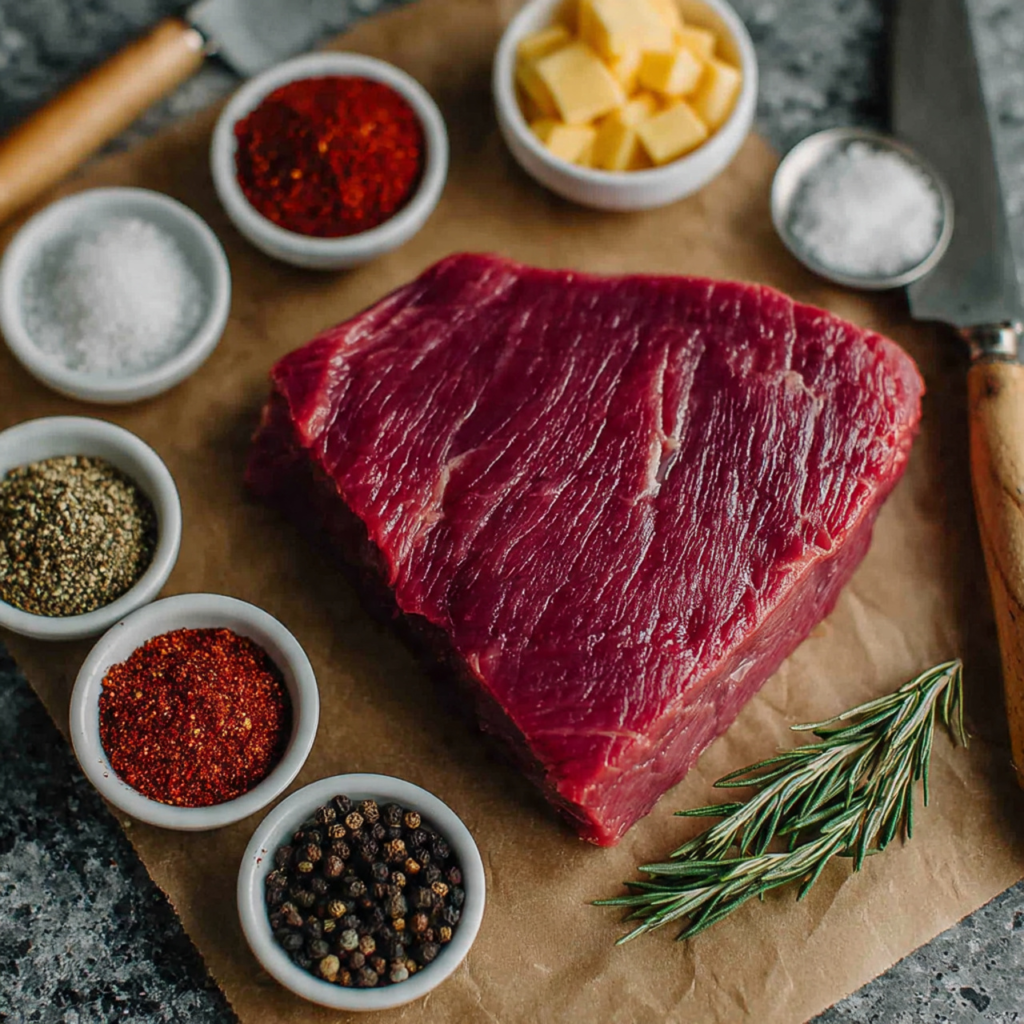
When selecting your boneless tri tip steak, look for these crucial characteristics:
- Deep red color with consistent marbling throughout
- Fat cap approximately 1/4 inch thick (trim if necessary)
- Weight between 2-2.5 pounds for optimal cooking
- USDA Choice or Prime grade for superior flavor
- Fresh, never frozen when possible
Seasoning Components for Maximum Flavor
Classic Santa Maria Rub:
- 2 tablespoons coarse kosher salt
- 2 tablespoons black pepper, freshly cracked
- 2 tablespoons granulated garlic
- 1 tablespoon onion powder
- 1 tablespoon smoked paprika
- 1 teaspoon cayenne pepper (optional)
- 1 teaspoon dried oregano
- 1 teaspoon rosemary, crushed
Alternative Marinade Option:
- 1/4 cup olive oil
- 3 tablespoons soy sauce
- 2 tablespoons Worcestershire sauce
- 2 tablespoons balsamic vinegar
- 4 cloves garlic, minced
- Fresh herbs (thyme, rosemary, oregano)
Step-by-Step Preparation Method
Pre-Cooking Preparation
Begin preparing your boneless tri tip steak at least two hours before cooking, though overnight seasoning yields superior results. Remove the meat from refrigeration 45 minutes before cooking to ensure even temperature distribution throughout.
Pat the tri tip completely dry using paper towels – moisture inhibits proper searing and crust development. Examine the fat cap, trimming any sections exceeding 1/4 inch while maintaining enough for flavor and moisture protection during cooking.
Apply your chosen seasoning generously, pressing firmly to ensure adherence. The coarse texture of proper rubs creates microscopic pockets that trap rendered fat and juices, intensifying flavor concentration. For marinade users, place the seasoned tri tip in a sealed bag, removing excess air to maximize surface contact.
The Reverse Sear Method
Professional chefs increasingly favor the reverse sear technique for boneless tri tip steak, guaranteeing edge-to-edge pink perfection with a magnificent crust. This method involves slow-roasting at low temperature before finishing with high-heat searing.
Preheat your oven to 250°F. Place the seasoned tri tip on a wire rack over a baking sheet, inserting a probe thermometer into the thickest section. Roast until internal temperature reaches 115°F for medium-rare (approximately 45-60 minutes depending on thickness).
Remove the tri tip, tenting loosely with foil while preheating a cast-iron skillet or grill to smoking-hot temperatures. Sear each side for 2-3 minutes, developing deep caramelization. This technique eliminates the gray band common in traditional cooking methods.
Grilling Techniques for Tri Tip Perfection
Direct vs. Indirect Heat Methods
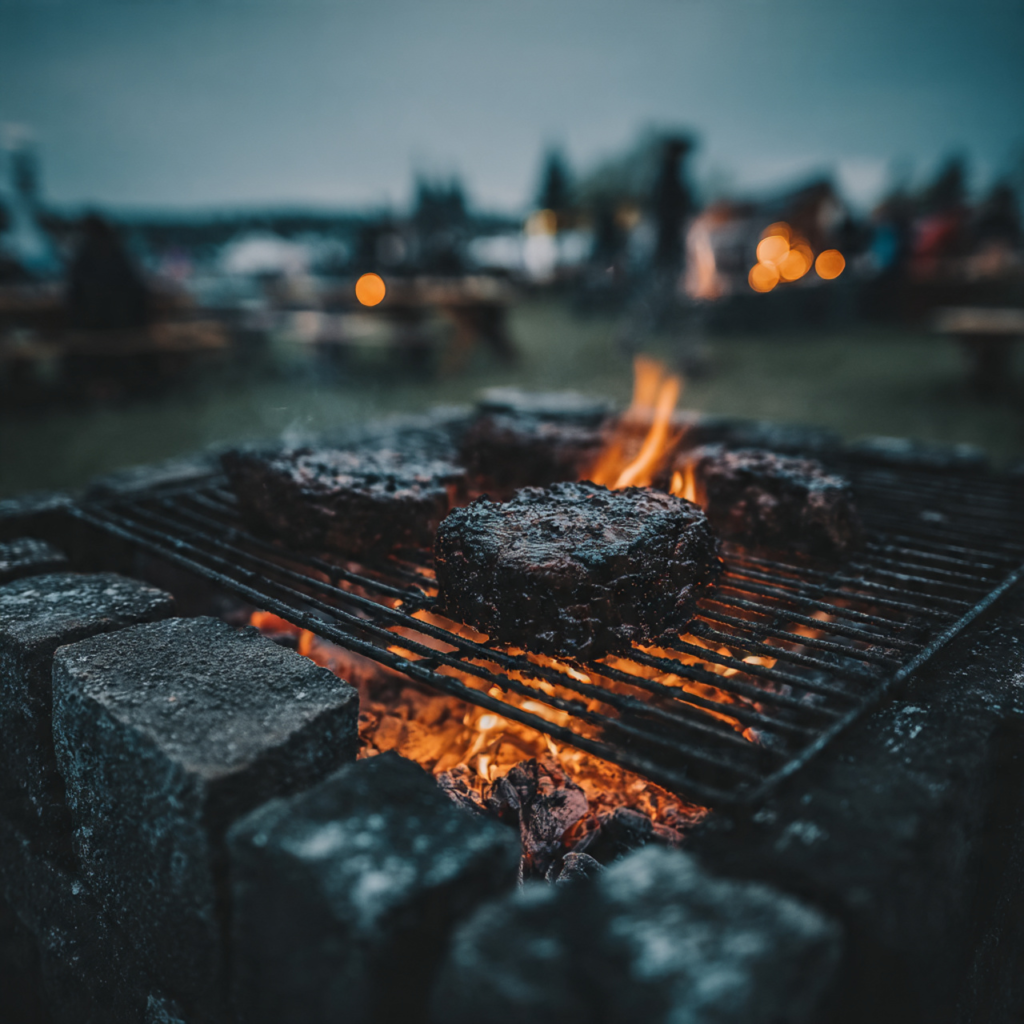
The boneless tri tip steak’s thickness demands strategic heat management. Establish two-zone grilling by arranging coals on one side or adjusting gas burners accordingly. This setup provides flexibility for both searing and gentle cooking.
Start with high direct heat, searing the tri tip for 5 minutes per side to develop optimal crust. Transfer to indirect heat, maintaining grill temperature around 325°F. Continue cooking until reaching desired doneness, typically 20-30 minutes for medium-rare.
Wood Selection and Smoke Enhancement
Authentic Santa Maria-style preparation utilizes red oak, but excellent alternatives include:
- Hickory for bold, bacon-like notes
- Cherry for subtle sweetness and beautiful color
- Mesquite for intense, earthy flavor
- Apple for mild, fruity undertones
Add wood chunks rather than chips for sustained smoke production. Avoid over-smoking – tri tip benefits from subtle enhancement rather than overwhelming smoke flavor.
Temperature Guidelines and Doneness
Achieving perfect doneness requires precision and understanding of carryover cooking. Remove your boneless tri tip steak 5°F below target temperature, as internal heat continues rising during rest:
- Rare: Remove at 115°F (final 120°F)
- Medium-Rare: Remove at 125°F (final 130°F)
- Medium: Remove at 135°F (final 140°F)
- Medium-Well: Remove at 145°F (final 150°F)
Always use instant-read thermometers for accuracy. Remember that tri tip’s varying thickness creates natural doneness gradients, satisfying different preferences simultaneously.
The Critical Resting Period
Never underestimate resting’s importance for your boneless tri tip steak recipe. This crucial step allows muscle fibers to relax while juices redistribute throughout the meat. Rest your tri tip on a cutting board, loosely tented with foil, for 10-15 minutes minimum.
During rest, internal temperature continues rising (carryover cooking) while surface temperature decreases, creating optimal slicing conditions. Proper resting prevents juice loss that occurs when cutting too soon, ensuring every slice remains succulent.
Slicing Technique: The Make-or-Break Moment
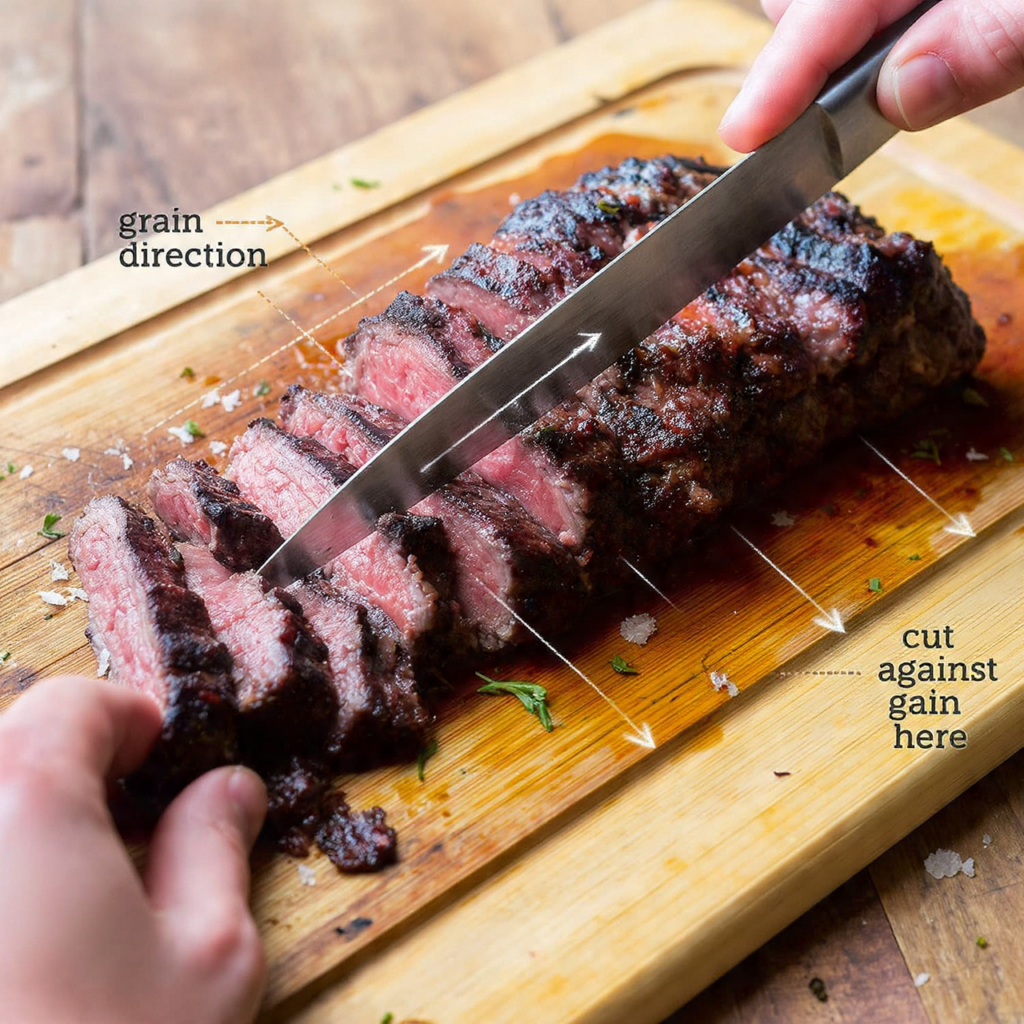
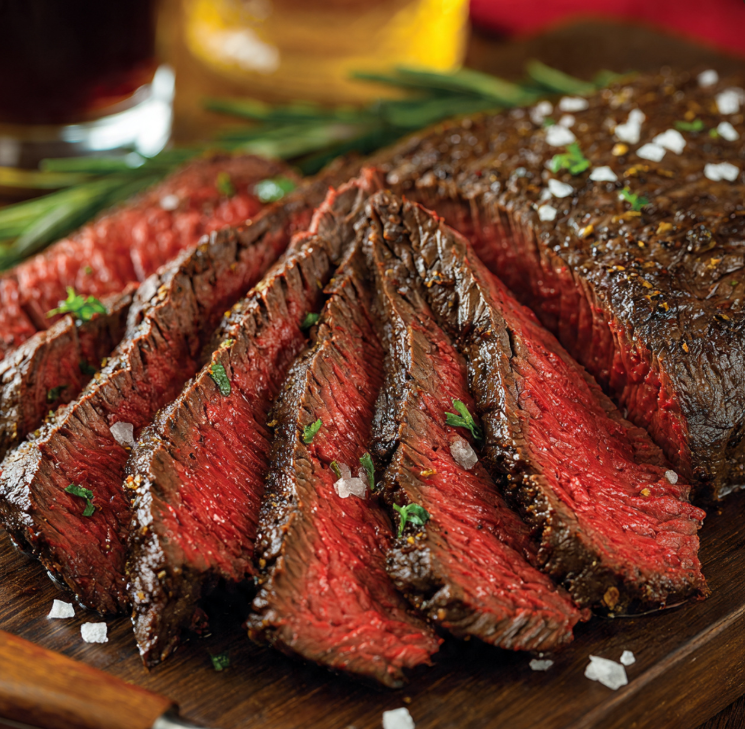
Tri tip’s unique dual-grain structure demands careful attention when slicing. Identify where grain direction changes (usually near the center) and adjust cutting angle accordingly. Always slice against the grain, creating shorter muscle fibers for enhanced tenderness.
Cut into 1/4 to 1/2-inch thick slices using a sharp carving knife. For presentation, fan slices across the serving platter, drizzling with accumulated juices. This attention to slicing technique transforms good tri tip into extraordinary dining experiences.
Serving Suggestions and Pairings
Classic Accompaniments
The boneless tri tip steak pairs beautifully with traditional steakhouse sides:
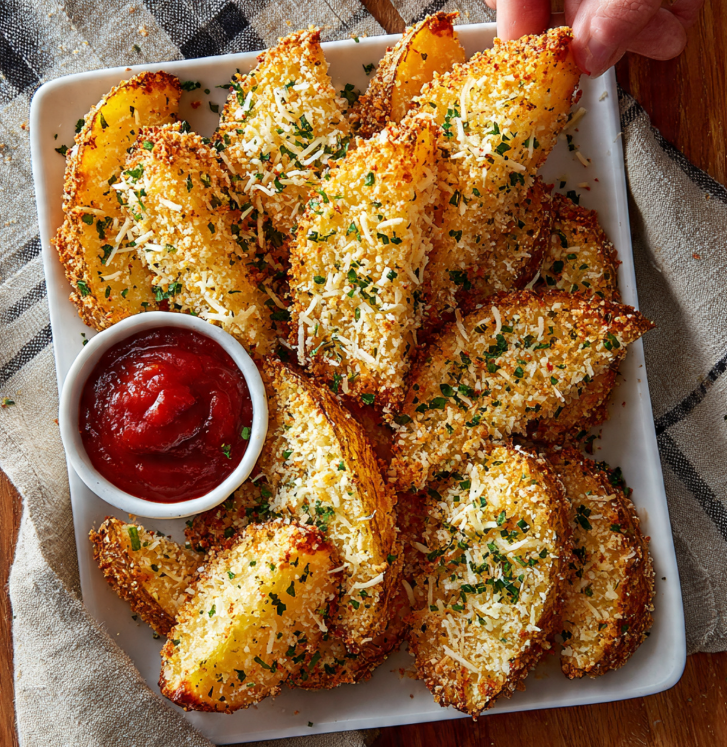
- Garlic herb roasted potatoes
- Grilled asparagus with lemon
- Creamed spinach or Swiss chard
- Chimichurri or horseradish cream sauce
- Charred corn salad with cilantro-lime dressing
Wine Pairings
Select bold reds that complement tri tip’s robust flavor:
- Cabernet Sauvignon for classic pairing
- Malbec for fruit-forward balance
- Syrah for peppery complexity
- Zinfandel for authentic California experience
Storage and Leftover Applications
Properly stored, cooked tri tip maintains quality for 3-4 days refrigerated or 2-3 months frozen. Wrap tightly in plastic before aluminum foil for freezer storage, preventing freezer burn.
Transform leftovers into gourmet creations:
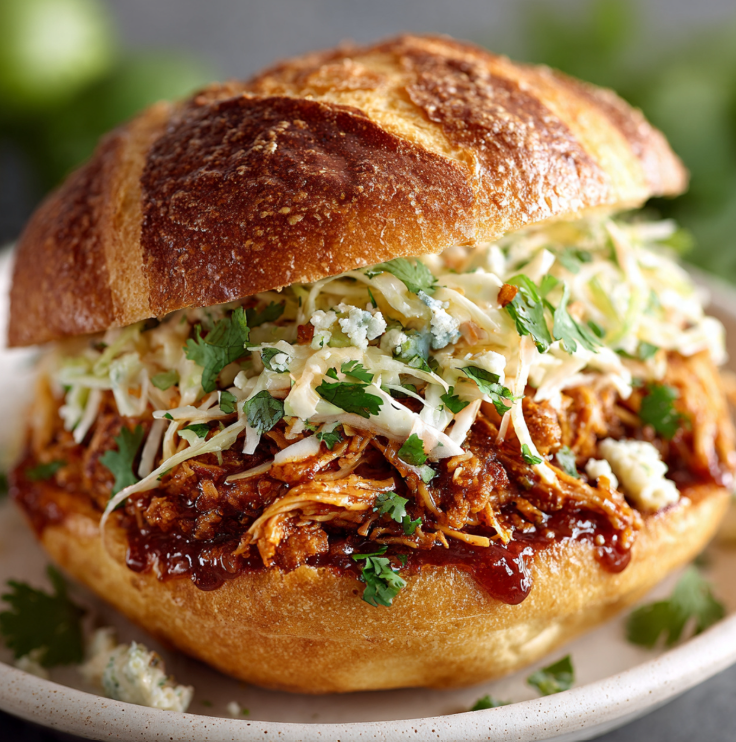
- Tri tip sandwiches with caramelized onions
- Steak salads with blue cheese
- Breakfast hash with poached eggs
- Fajitas or tacos with fresh salsa
- Asian-style stir-fry with vegetables
Troubleshooting Common Mistakes
Avoid these frequent errors when preparing boneless tri tip steak:
- Over-trimming fat cap, causing dryness
- Insufficient seasoning penetration time
- Cooking straight from refrigerator
- Neglecting proper temperature monitoring
- Rushing the resting period
- Slicing with the grain instead of against
Conclusion: Mastering Your Signature Tri Tip
The boneless tri tip steak recipe represents more than just another grilling option – it’s your gateway to affordable gourmet dining that impresses without complexity. By mastering these techniques, you’ll consistently produce restaurant-quality results that establish your reputation as a serious home chef.
This versatile cut adapts to various cooking methods, seasonings, and serving styles while maintaining its distinctive character. Whether you’re feeding family weeknight dinners or hosting elaborate gatherings, tri tip delivers satisfaction that exceeds expectations every time.
Embrace this California classic and make it your own. Experiment with seasonings, perfect your temperature control, and soon you’ll discover why boneless tri tip steak has graduated from regional favorite to national sensation. Your guests will thank you, your wallet will appreciate you, and your culinary confidence will soar with each perfectly executed tri tip that graces your table.