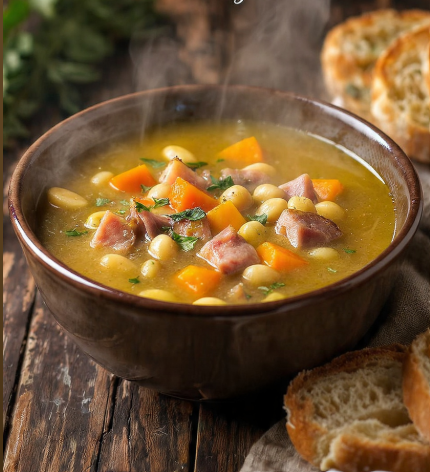
Classic Ham and Bean Soup with Crusty Bread in Ceramic Bowl

Ham and bean soup represents one of the most beloved comfort foods across American kitchens—a timeless classic that transforms humble, affordable ingredients into deeply nourishing meals that satisfy both body and soul. This comprehensive guide provides everything you need to master ham and bean soup, including detailed recipes, professional techniques, serving suggestions, and creative variations that make this traditional favorite fresh and exciting.
Whether you’re preparing a weeknight family dinner, cooking for entertaining guests, or seeking nutritious meal-prep options, this complete guide walks you through every aspect of ham and bean soup preparation. We’ll explore ingredient selection, step-by-step cooking instructions, flavor-building techniques, and expert tips that elevate your soup from ordinary to extraordinary.
The Timeless Appeal of Ham and Bean Soup
Ham and bean soup’s enduring popularity stems from multiple compelling factors. First, it represents pure comfort—the warm, creamy broth combined with tender beans and savory ham creates an emotionally satisfying meal that provides genuine warmth on cold days. Second, it’s remarkably economical, using inexpensive dried beans and ham bones (often discarded) to create abundant, filling meals. Third, the nutritional profile is exceptional—beans provide fiber and plant-based protein, ham contributes additional protein and B vitamins, and vegetables add essential micronutrients.
The versatility is another major appeal. This soup adapts beautifully to different preferences, dietary restrictions, and ingredient availability. Whether you prefer a brothier consistency, creamy texture, or hearty vegetable-loaded version, ham and bean soup accommodates your preferences. Additionally, it’s make-ahead friendly, actually improving as flavors develop over time, making it perfect for batch cooking and meal preparation.
Essential Ingredients and Their Roles
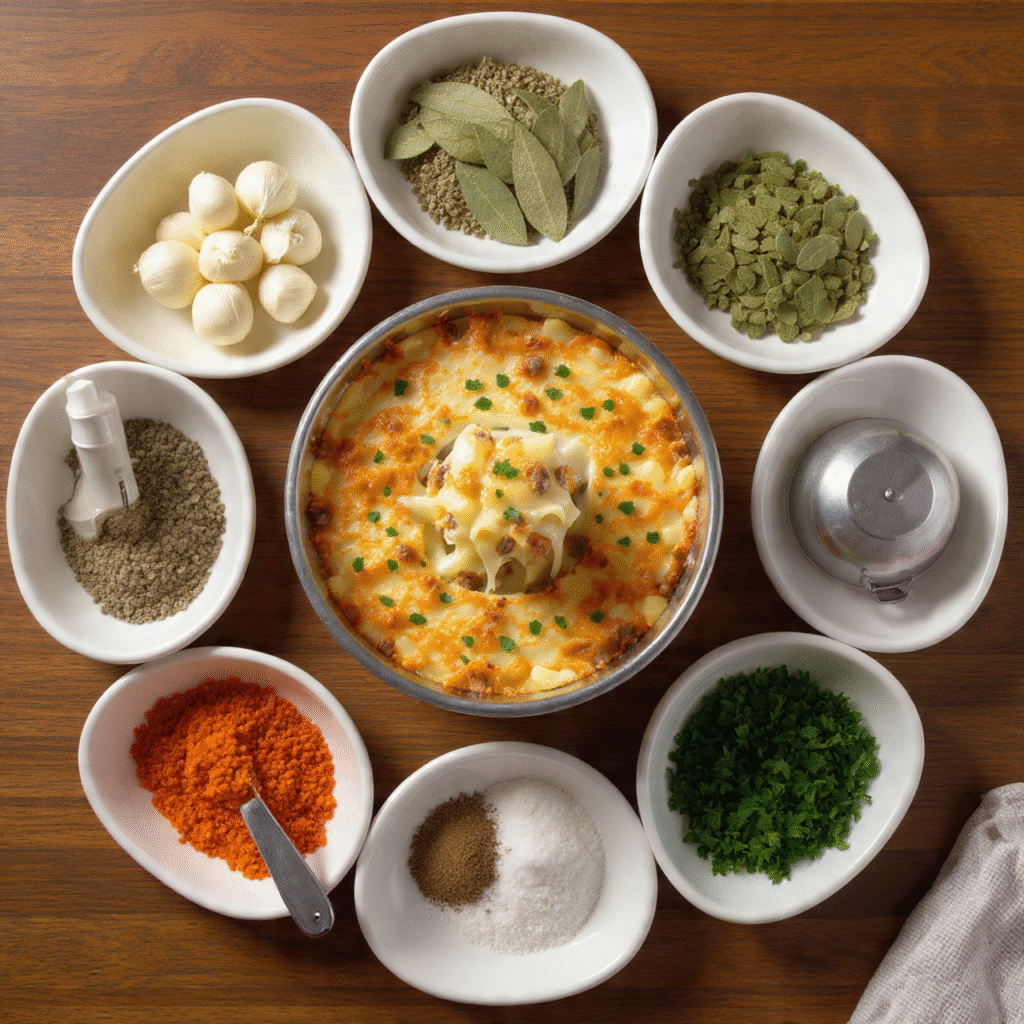
Ham Component: Quality ham forms the soup’s savory, smoky foundation. Ham bones or ham hocks are ideal—simmer for 45-60 minutes to extract maximum flavor. Alternatively, use leftover ham from holiday meals or purchase ham shank for a premium option with substantial meat attached. The rendered fat becomes your cooking medium, while the gelatin from the bone creates a rich, luxurious broth.
Dried Beans: Navy beans are traditional, though Great Northern beans, pinto beans, or combinations work equally well. Two cups of dried beans (approximately one pound) yields about six cups of cooked beans—perfect for this recipe. Beans provide fiber (essential for digestive health), plant-based protein (approximately 15 grams per cup cooked), and complex carbohydrates (providing sustained energy).
Aromatic Vegetables: Two large yellow onions, three medium carrots, three celery stalks, and six cloves of fresh garlic create the flavor foundation. These vegetables are sautéed in rendered ham fat, developing natural sugars and building complex flavor layers through slow cooking.
Broth and Liquid: Eight cups of low-sodium chicken or vegetable broth provides moisture and flavor foundation. Using low-sodium broth allows seasoning control—essential for creating balanced flavor since ham and vegetables contribute their own sodium.
Seasonings and Finishing Elements: Dried thyme, smoked paprika, black pepper, and fresh parsley provide aromatic complexity. Apple cider vinegar adds brightness and acidity that balances richness. Optional additions include Worcestershire sauce for umami depth, whole-grain mustard for subtle tang, and tomato paste for earthiness.
Complete Ham and Bean Soup Recipe
Ingredients
Ham and Broth Base:
- 1 large ham bone or 2 ham hocks (2-3 lbs)
- 8 cups low-sodium chicken or vegetable broth
- 3 bay leaves
Beans and Vegetables:
- 2 cups dried navy beans (soaked overnight or quick-soaked)
- 2 large yellow onions, diced
- 3 medium carrots, diced
- 3 celery stalks, diced
- 6 cloves fresh garlic, minced
Seasonings:
- 2 teaspoons dried thyme
- 1 teaspoon smoked paprika
- 1 teaspoon freshly ground black pepper
- 1-2 tablespoons apple cider vinegar
- 1 teaspoon kosher salt (adjust to taste)
- ¼ cup fresh parsley, chopped
- ⅛ teaspoon cayenne pepper (optional, for heat)
Optional Flavor Additions:
- 1 tablespoon Worcestershire sauce
- 1 tablespoon whole-grain mustard
- 2 tablespoons tomato paste
- ½ teaspoon liquid smoke
Instructions
Preparation Phase:
- Prepare Beans: Using overnight method, soak two cups dried navy beans in cold water for 8-12 hours. Alternatively, use quick-soak method: bring beans to boil, remove from heat, cover, and soak for one hour. Drain and rinse thoroughly.
- Simmer Ham: In a large Dutch oven, place ham bone or ham hocks. Add eight cups broth and three bay leaves. Bring to boil over medium-high heat, then reduce to medium-low. Maintain gentle simmer for 45-60 minutes until meat is very tender.
- Prepare Ham: Remove ham from broth. Once cool enough to handle, shred meat from bone, discarding bone and excess fat. Set shredded ham aside. Strain broth through fine-mesh strainer, discarding bay leaves.
Cooking Phase:
4. Sauté Aromatics: Return strained broth to pot and heat to medium. Add diced onions and cook for three minutes. Add carrots and celery, cooking for four minutes. Add minced garlic and cook for one minute until fragrant.
- Add Beans and Seasonings: Stir in soaked, drained beans. Add thyme, smoked paprika, black pepper, and optional cayenne. Stir well to distribute seasonings.
- Simmer Beans: Increase heat to medium-high and bring to boil. Once boiling, reduce heat to medium-low and maintain gentle simmer. Partially cover pot, leaving small gap for steam escape. Simmer for 60-90 minutes until beans are completely tender and easily mash between fingers.
- Adjust Consistency: For chunkier soup, skip this step. For creamier soup, mash approximately one-quarter of beans against pot’s side using potato masher or spoon’s back.
- Return Ham and Season: Add reserved shredded ham to pot, stirring to distribute evenly. Stir in apple cider vinegar (1-2 tablespoons) for brightness. Taste and adjust salt, adding pinches at a time. Optional: add Worcestershire sauce, mustard, or tomato paste for additional complexity.
- Finish and Serve: Remove from heat. Stir in fresh chopped parsley just before serving (preserves color and freshness). Ladle into warmed bowls and serve immediately with crusty bread.
Professional Cooking Techniques
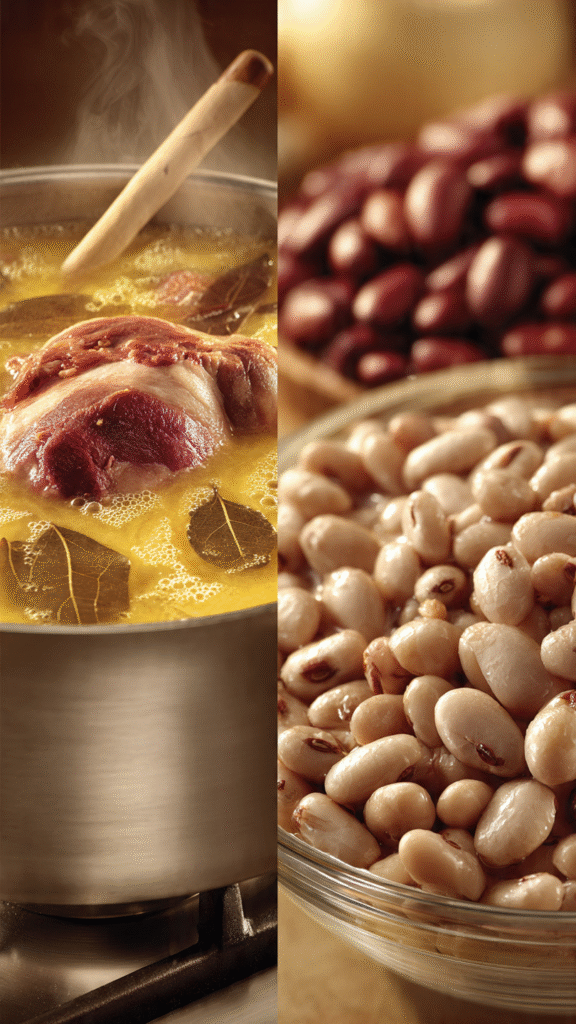
Building Deep Ham Flavor: The foundation of exceptional ham and bean soup lies in proper ham bone simmering. Resist the temptation to rush this step—maintain a gentle simmer for minimum 45 minutes. This allows collagen to convert to gelatin, creating body and richness. The rendered fat provides superior cooking medium compared to neutral oil, while the broth develops golden-amber color indicating proper extraction.
Achieving Perfect Bean Texture: Beans require proper soaking to ensure even cooking. Overnight soaking (8-12 hours) or quick-soaking (one hour in boiling water) both work effectively. Drain and rinse thoroughly before cooking. Maintain gentle simmer throughout cooking—vigorous boiling breaks beans apart. Test for doneness starting at 60 minutes, continuing until beans mash easily without resistance while maintaining their shape.
Layering Flavors Through Technique: Unlike adding all ingredients at once, this recipe builds flavor through layering. Ham simmering creates the foundation. Slowly sautéing aromatics develops natural sugars and creates Maillard reactions. Spices added with beans infuse throughout the cooking process. Vinegar added at the end provides brightness without cooking off. This layering approach creates complexity impossible through simple ingredient dumping.
Adjusting for Personal Preference: The recipe provides guidelines, not rigid rules. Prefer thicker soup? Mash more beans. Want brothier consistency? Add additional broth. Desire creamier texture? Blend portion of the soup. Like more heat? Add cayenne pepper. This flexibility allows customization while maintaining the recipe’s fundamental excellence.
Serving Suggestions and Pairings
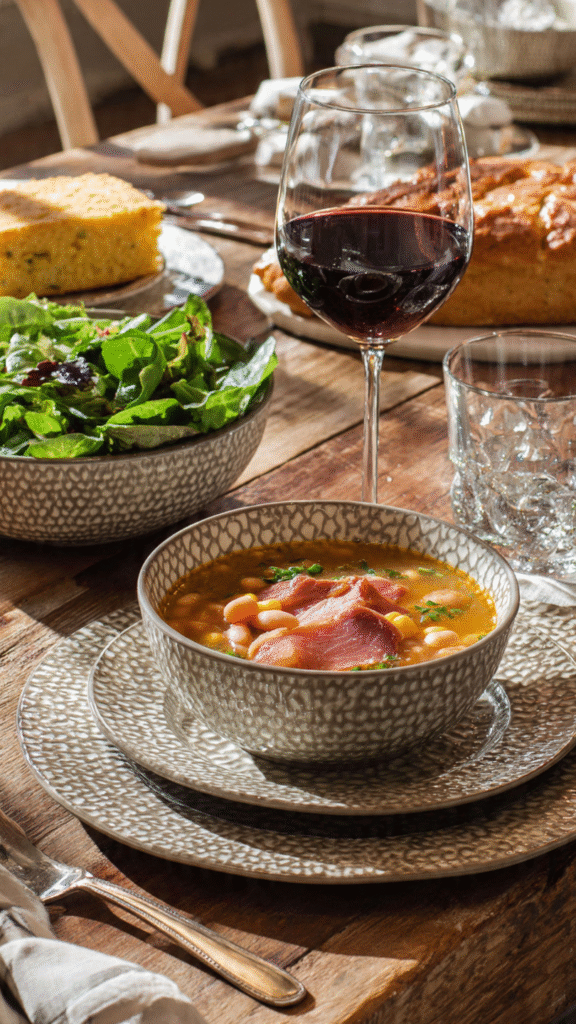
Bread Accompaniments: Crusty sourdough bread for dunking, warm cornbread for Southern appeal, hearty whole grain bread for nutrition, or focaccia with herbs for Mediterranean flair all complement ham and bean soup beautifully. Butter on warm bread absorbs the savory broth, creating flavor harmony.
Beverage Pairings: Red wines with moderate tannins (Pinot Noir, light Cabernet) pair well without overpowering. Amber beers or porters complement the soup’s richness. Non-alcoholic options include apple cider for seasonal warmth, herbal tea (particularly thyme or sage), or simple sparkling water with lemon.
Garnish Enhancements: Fresh parsley provides brightness. Crispy bacon pieces add smokiness and texture. Sharp cheddar cheese contributes richness. Sour cream offers creaminess. Fresh chives provide mild onion notes. These garnishes transform simple soup into more sophisticated presentations.
Side Dishes: Simple green salad with tangy vinaigrette cuts through richness. Steamed greens with garlic butter provide vegetable nutrition. Roasted root vegetables add heartiness. Coleslaw offers freshness and textural contrast.
Creative Variations
Spicy Southwestern Version: Add one can diced tomatoes with green chilies, ½ teaspoon cayenne pepper, one tablespoon hot sauce, and substitute pinto beans for navy beans. Garnish with cilantro and jalapeño slices for authentic flavor.
Italian Pasta e Fagioli Style: Add one cup diced tomatoes, one teaspoon Italian seasoning, one cup small pasta (ditalini or shells) in final ten minutes, and use cannellini beans. Garnish with fresh basil and Parmesan cheese.
Southern Collard Green Version: Add one cup chopped collard greens, ¼ teaspoon liquid smoke, maintain one tablespoon apple cider vinegar (increased acidity suits this variation), and use smoked paprika liberally. Serve with cornbread crumbles.
Creamy Restaurant-Style: Blend half the finished soup until smooth, then stir in ½ cup heavy cream. Add two tablespoons whole-grain mustard and use ham shank instead of bone for more meat. Top with crispy bacon pieces and chives.
Make-Ahead Freezer Version: Prepare soup completely through step 8, cool entirely, transfer to freezer-safe containers with ½-inch headspace, and freeze up to three months. Thaw in refrigerator overnight and reheat gently before serving. Add fresh parsley only after reheating.
Storage and Make-Ahead Strategies
Refrigerator Storage: Cool soup completely (approximately 2-3 hours) before transferring to airtight containers. Properly stored, ham and bean soup keeps 4-5 days in the refrigerator. The soup thickens as it cools—this is normal and desirable. Reheat gently over medium heat, stirring occasionally, adding ¼ to ½ cup broth if needed to restore original consistency.
Freezer Storage: Cool completely, transfer to freezer-safe containers with ½-inch headspace for expansion, label with contents and date, and freeze up to three months. Thaw in refrigerator overnight and reheat gently. The soup maintains quality through freezing better than many dishes—the beans actually soften slightly more, creating creamier texture.
Make-Ahead Preparation: Brown ham bone and prepare broth up to 24 hours ahead, storing in refrigerator. Soak beans overnight (accomplishes two goals: preparation and cooking time reduction). Dice all vegetables and store in separate containers up to 24 hours ahead. Complete assembly and cooking when ready, requiring only 30-40 minutes of active cooking time.
Common Mistakes and Solutions
Insufficient Ham Flavor: Most common mistake involves inadequate ham simmering. Resist rushing this step—minimum 45 minutes is essential. The longer simmering extracts maximum flavor. Solution: if already cooked, add Worcestershire sauce and smoked paprika for enhancement.
Mushy Beans or Cloudy Broth: Results from vigorous boiling. Maintain gentle simmer throughout cooking. Beans should show occasional slow bubbles, not rapid rolling boil.
Over-Salting: Remember ham bones and broth contribute substantial sodium. Add salt conservatively, tasting frequently. If oversalted, add water ¼ cup at a time to dilute.
Flat, One-Dimensional Flavor: Suggests insufficient aromatic development or missing vinegar. Ensure proper 7-10 minute aromatic sautéing. Add apple cider vinegar (1-2 tablespoons) near the end for brightness.
Beans Remain Hard After Extended Cooking: Indicates very old beans (sometimes over one year old). This is normal—continue cooking, checking every five minutes. Very old beans may require 2+ hours. Prevention: purchase from stores with high turnover.
Conclusion
Mastering ham and bean soup provides more than a single recipe—it teaches fundamental cooking principles applicable across countless dishes. You learn how to extract maximum flavor from humble ingredients, build complexity through layering techniques, and create nourishing meals that comfort and satisfy. This traditional favorite deserves a permanent place in your cooking repertoire.