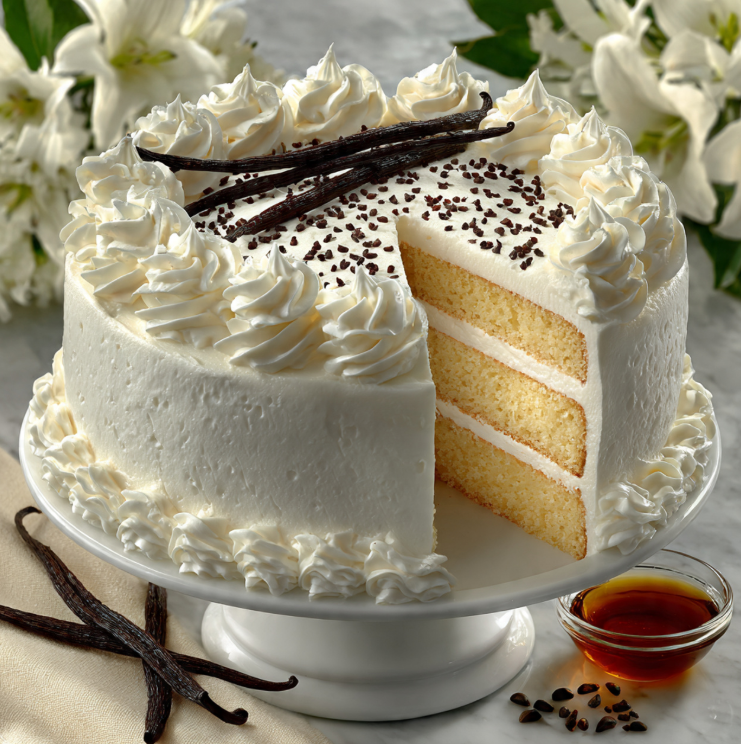
Pure Vanilla Cake: The Life-Changing Recipe That Makes Bakeries Obsolete and Birthday Wishes Come True

Forget everything you think you know about vanilla being “plain” or “boring” – this pure vanilla cake is about to become your most requested recipe and the reason people suddenly remember your birthday. This isn’t just another vanilla cake; it’s a masterclass in how premium vanilla, precise technique, and perfectly balanced ingredients create a cake so extraordinary that professional bakers are taking notes. With its tender crumb, ethereal texture, and intense vanilla flavor that permeates every bite, this recipe proves that sometimes the simplest things, when executed flawlessly, become the most memorable.
What makes this pure vanilla cake absolutely revolutionary is its ability to shine alone while serving as the perfect canvas for any occasion. The secret lies in using real vanilla – not just extract, but a combination of vanilla bean paste, pure extract, and scraped vanilla pods – creating layers of flavor complexity that artificial vanilla could never achieve. Whether you’re celebrating milestones, impressing dinner guests, or simply craving the ultimate comfort dessert, this cake delivers bakery-window beauty with homemade soul that no store-bought cake can match.
Understanding Pure Vanilla: The World’s Second Most Expensive Spice
Creating exceptional pure vanilla cake requires appreciating vanilla’s remarkable journey from orchid to extract. True vanilla comes from hand-pollinated orchid flowers, with each bean requiring months of careful curing to develop its complex flavor profile of over 250 different compounds. This intricate process explains why real vanilla commands premium prices and why using it properly transforms ordinary cakes into extraordinary experiences.
The difference between pure vanilla and imitation vanilla in baking is like comparing a symphony to a single note. Pure vanilla extract contains vanillin plus hundreds of other flavor compounds that create depth, warmth, and complexity. When building our pure vanilla cake, we’ll layer different vanilla forms – extract for liquid integration, paste for visual appeal and intensity, and beans for maximum impact – ensuring vanilla flavor penetrates every crumb rather than sitting on the surface.
Essential Ingredients for Vanilla Cake Excellence
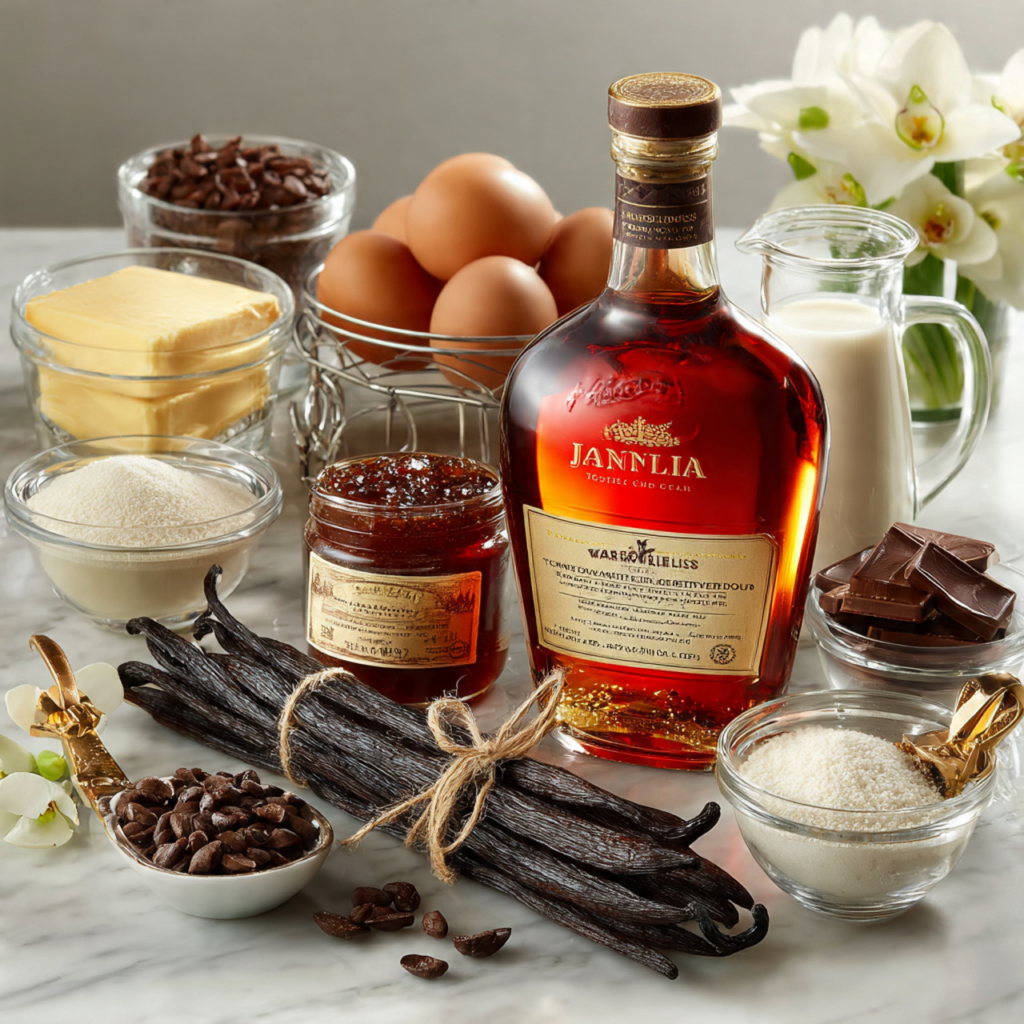
The Foundation Components
Dry Ingredients:
- 2¾ cups cake flour, sifted twice
- 1 tablespoon baking powder
- ½ teaspoon salt
- ½ cup cornstarch (secret to tender crumb)
Wet Ingredients:
- 1 cup unsalted butter, room temperature
- 1¾ cups granulated sugar
- 4 large eggs, room temperature
- 1 cup whole milk, room temperature
- ¼ cup heavy cream
The Vanilla Trinity:
- 2 tablespoons pure vanilla extract (Madagascar preferred)
- 1 tablespoon vanilla bean paste
- 1 whole vanilla bean pod, scraped
Ingredient Temperature Matters
Room temperature ingredients prove crucial for pure vanilla cake success. Cold ingredients don’t emulsify properly, creating dense, uneven texture. Remove eggs, milk, and butter from refrigeration 2-3 hours before baking. For quick warming, place eggs in warm water for 10 minutes, microwave milk for 20-second intervals, and cut butter into cubes to accelerate tempering.
The Master Method for Cake Perfection
Preparing Your Foundation
Begin your pure vanilla cake by preheating the oven to 350°F and preparing two 9-inch round pans with butter, flour, and parchment paper circles. This triple protection ensures clean release and perfect edges. Position oven rack in the center for even heat distribution.
Sift cake flour with cornstarch, baking powder, and salt three times. This seemingly excessive sifting aerates the flour while ensuring even distribution of leavening agents. The cornstarch addition – a professional baker’s secret – interferes with gluten formation, creating incredibly tender crumb that melts on your tongue.
The Creaming Method Perfected
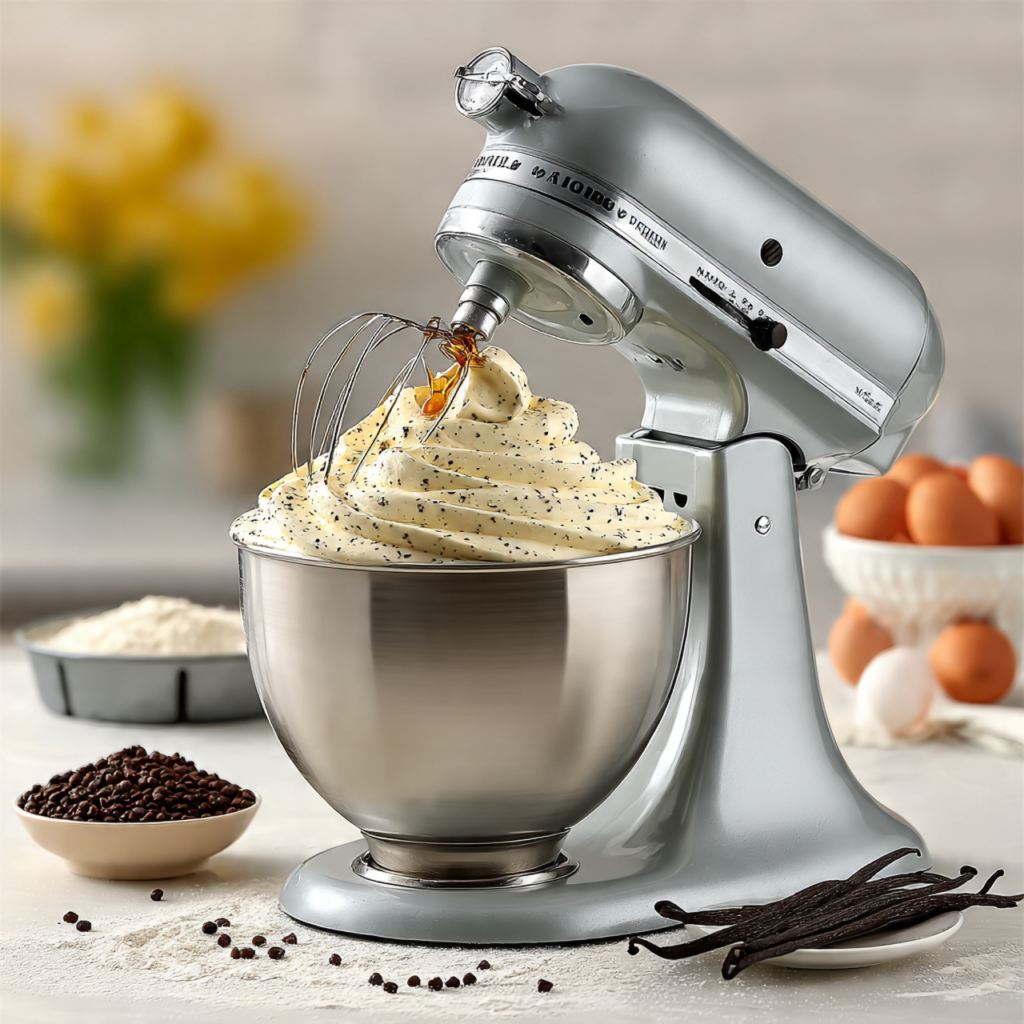
In your stand mixer with paddle attachment, cream room-temperature butter with sugar for a full 5 minutes at medium-high speed. This extended creaming incorporates air bubbles that expand during baking, creating light, fluffy texture. The mixture should become pale, almost white, and noticeably increased in volume.
Scrape the vanilla bean pod, adding seeds to the butter mixture along with vanilla extract and paste. Beat for another minute, allowing vanilla to fully incorporate. This early addition ensures vanilla flavor permeates the entire batter rather than being an afterthought.
Incorporating Eggs and Alternating Additions
Add eggs one at a time, beating well after each addition and scraping bowl sides frequently. Each egg should be fully incorporated before adding the next – rushing this step causes curdling and compromises texture. The batter might look slightly separated after each egg; this is normal and will smooth out.
Combine milk and cream in a measuring cup. Reduce mixer speed to low, then alternate adding flour mixture and milk mixture in five additions: flour, milk, flour, milk, flour. This gradual incorporation prevents overdevelopment of gluten while maintaining proper hydration. Mix just until combined after each addition – overmixing creates tough, dense cake.
Baking to Perfection
Divide batter evenly between prepared pans – a kitchen scale ensures perfectly even layers. Smooth tops with offset spatula, then tap pans sharply on counter to release air bubbles. This prevents tunneling and ensures even rise.
Bake for 25-30 minutes, rotating pans halfway through for even browning. The pure vanilla cake is done when edges pull slightly from pan sides, centers spring back when lightly touched, and a toothpick emerges with just a few moist crumbs. Avoid overbaking – dry cake is unredeemable.
Advanced Techniques for Professional Results
The Vanilla Syrup Soak
Professional bakers employ simple syrup to ensure moist cakes. Create vanilla syrup by combining ½ cup sugar, ½ cup water, and 1 tablespoon vanilla extract. Brush warm syrup over cake layers after cooling for 10 minutes. This adds moisture and intensifies vanilla flavor without making cake soggy.
Crumb Coating Secrets
For flawless frosting application on your pure vanilla cake, apply a crumb coat – thin frosting layer that seals in crumbs. Refrigerate 30 minutes until firm, then apply final frosting layer over this smooth foundation. This technique creates bakery-perfect appearance.
Frosting Options and Pairings
Classic Vanilla Buttercream
Complement your pure vanilla cake with equally spectacular vanilla buttercream:
- 2 cups unsalted butter, room temperature
- 6 cups powdered sugar, sifted
- ½ cup heavy cream
- 3 tablespoons vanilla extract
- 1 vanilla bean, scraped
- Pinch of salt
Alternative Frosting Ideas
- Swiss meringue buttercream for silky texture
- Cream cheese frosting for tangy contrast
- Whipped vanilla ganache for chocolate lovers
- Vanilla bean mousse for elegant presentation
- Simple vanilla glaze for bundt cake variations
Flavor Variations and Adaptations
Elevated Versions
Transform your pure vanilla cake with sophisticated additions:
- French Vanilla: Add extra egg yolks for richness
- Vanilla-Almond: Replace ¼ vanilla with almond extract
- Vanilla-Citrus: Add lemon or orange zest
- Vanilla-Lavender: Infuse milk with culinary lavender
Dietary Modifications
Gluten-Free: Substitute 1:1 gluten-free flour blend designed for cakes
Dairy-Free: Use plant-based butter and non-dairy milk
Reduced Sugar: Decrease sugar by 25% without significantly affecting texture
Storage and Make-Ahead Tips
Pure vanilla cake layers can be wrapped tightly in plastic wrap and frozen for up to three months. Thaw overnight in refrigerator before frosting. Frosted cake keeps covered at room temperature for two days or refrigerated for one week.
For make-ahead convenience, bake layers two days before serving, wrap and refrigerate. Bring to room temperature before frosting for easier handling and better texture.
Troubleshooting Common Issues
Dense Texture: Ensure proper creaming time, check leavening freshness, avoid overmixing
Dry Cake: Don’t overbake, measure flour correctly (spoon and level), add syrup soak
Sunken Center: Verify oven temperature with thermometer, avoid opening door prematurely
Uneven Layers: Use scale for equal division, ensure level oven racks
Serving and Presentation
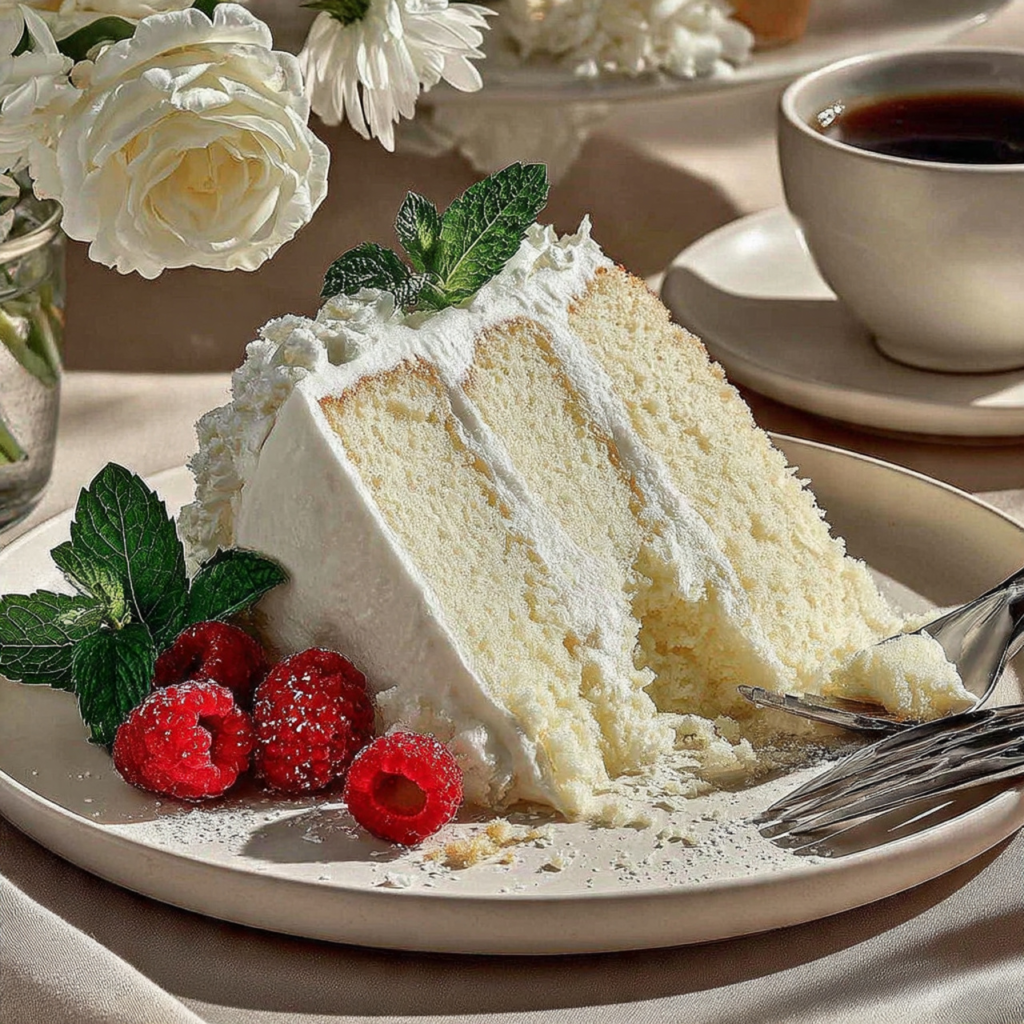
Pure vanilla cake pairs beautifully with:
- Fresh berries and whipped cream
- Caramel or chocolate sauce drizzle
- Vanilla ice cream for à la mode service
- Fruit compotes or curds between layers
- Edible flowers for elegant decoration
Conclusion: Your Signature Vanilla Masterpiece
This pure vanilla cake transcends the ordinary, proving that “simple” vanilla is anything but basic when crafted with quality ingredients and proper technique. Master this recipe and possess the foundation for countless variations, from birthday celebrations to wedding towers, each one showcasing vanilla’s incredible versatility and appeal.
The journey from measuring flour to slicing into perfectly tender layers teaches valuable baking principles applicable to all cakes. More importantly, it demonstrates that investing in quality vanilla and taking time for proper technique yields results that make every occasion special and every bite memorable.
Embrace this pure vanilla cake as your signature recipe – the one everyone requests, the one that makes birthdays brighter, and the one that proves homemade always surpasses store-bought when created with care, quality ingredients, and genuine vanilla’s incomparable flavor. Your reputation as an exceptional baker starts with mastering this one perfect cake.