The Ultimate Decadent Crème Brûlée French Toast: A Brunch Masterclass

There is brunch, and then there is Brunch—the kind of meal that blurs the line between breakfast and dessert, usually accompanied by mimosas and a lingering sense of weekend luxury. If you are looking to elevate your morning game, you need to master the art of Crème Brûlée French Toast.
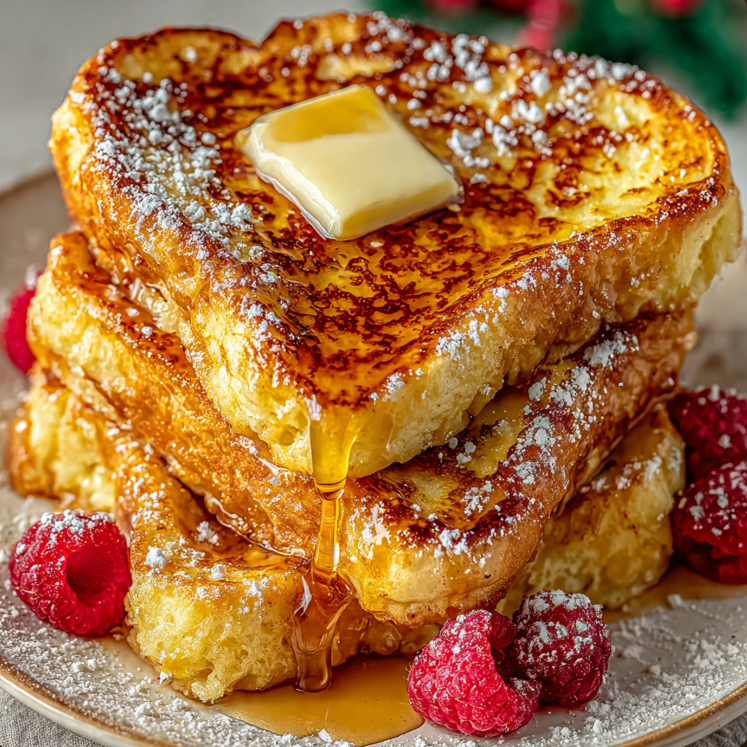
This dish is the perfect marriage of two classics. You take the eggy, comforting nature of traditional French toast and infuse it with the rich, vanilla-forward profile of a crème brûlée custard. But the magic doesn’t stop there. The pièce de résistance is the topping: a layer of sugar that is caramelized moments before serving, creating that signature “crack” and a glass-like crunch that gives way to a soft, warm interior.
Many home cooks are intimidated by this dish, assuming it requires professional culinary skills. The truth? It is surprisingly simple, but it relies on a few scientific principles to get it right. In this guide, we will walk you through everything you need to know—from selecting the perfect bread to mastering the blowtorch—to create a dish that will make your guests think you spent hours in the kitchen.
What is Crème Brûlée French Toast?
Before we dive into the recipe, let’s break down what makes this dish distinct from the French toast you grew up with.
Traditional French toast is usually bread soaked in a mixture of egg, milk, and cinnamon, then pan-fried. Crème Brûlée French Toast changes the game by altering the custard base. Instead of just milk, we use a higher ratio of heavy cream and egg yolks. This creates a denser, velvetier texture that mimics the smoothness of a baked custard.
The “Crème Brûlée” aspect comes from the topping. Once the toast is cooked, it is dusted with granulated sugar and torched. This caramelizes the sugar (a process called the Maillard reaction), creating a hard, sweet shell on top of the savory-sweet bread. It is a textural symphony: the crunch of the sugar, the softness of the custard, and the slight chew of the bread.
The Secret to Success: Ingredient Selection
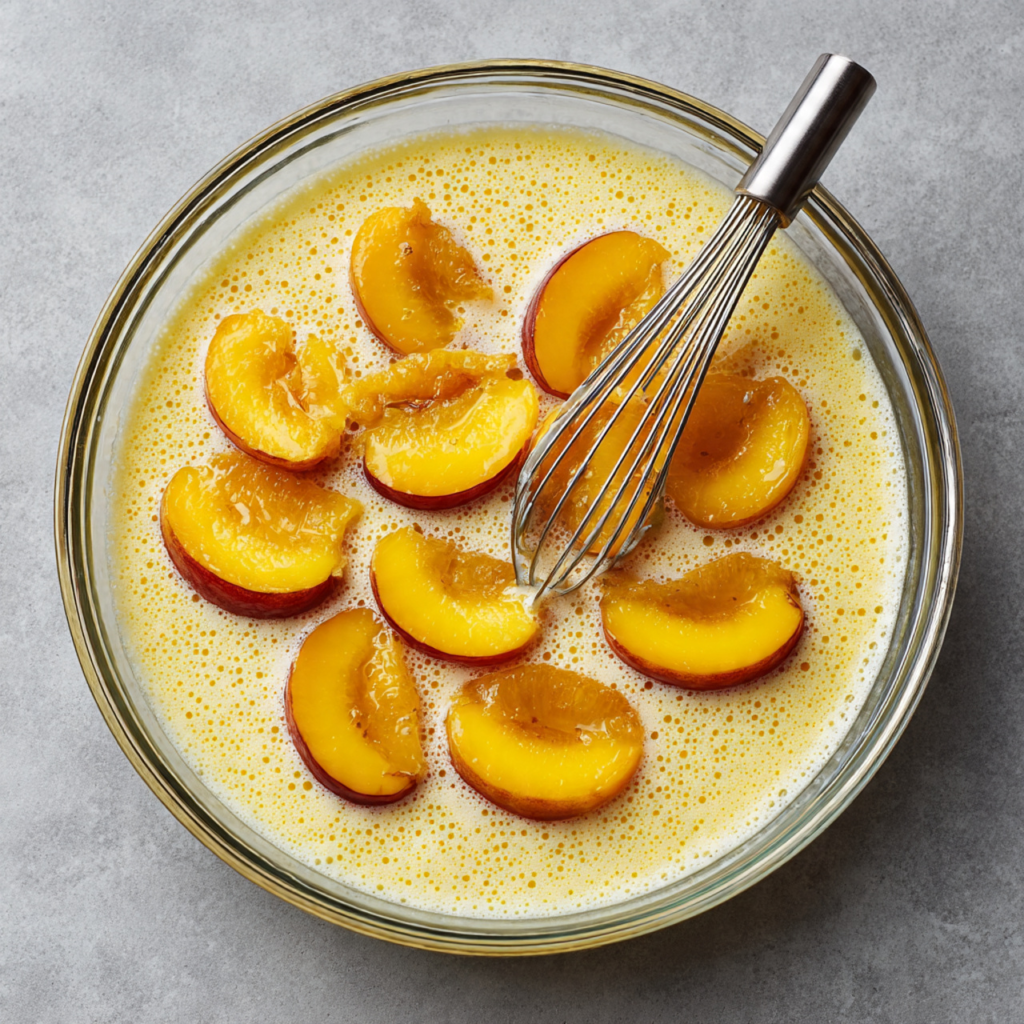
The quality of your final dish depends entirely on the quality of your ingredients. Because this recipe has fewer components than a savory meal, every single one needs to shine.
1. The Bread: Brioche or Challah
You cannot use standard sandwich bread for this recipe. The custard is too heavy, and it will turn cheap bread into mush. You need a sturdy, enriched bread with a tight crumb.
- Brioche: This is the gold standard. Its high butter and egg content complements the custard perfectly.
- Challah: A braided egg bread that is slightly sweeter and holds up very well to soaking.
- Texas Toast: In a pinch, a thick-cut bread works, but it lacks the richness of brioche.
2. The Creaminess Factor
- Heavy Cream: Do not substitute this with half-and-half or milk. The high-fat content is essential for that “crème brûlée” mouthfeel.
- Egg Yolks: While some recipes use whole eggs, using extra yolks adds richness and a beautiful golden color.
3. The Flavor Profile
- Vanilla Bean: Use real vanilla extract or, even better, scraped vanilla bean pods. The little black specks look elegant and provide a superior flavor.
- Cinnamon & Nutmeg: A pinch of warm spices bridges the gap between French toast and custard.
Step-by-Step Recipe: Crème Brûlée French Toast
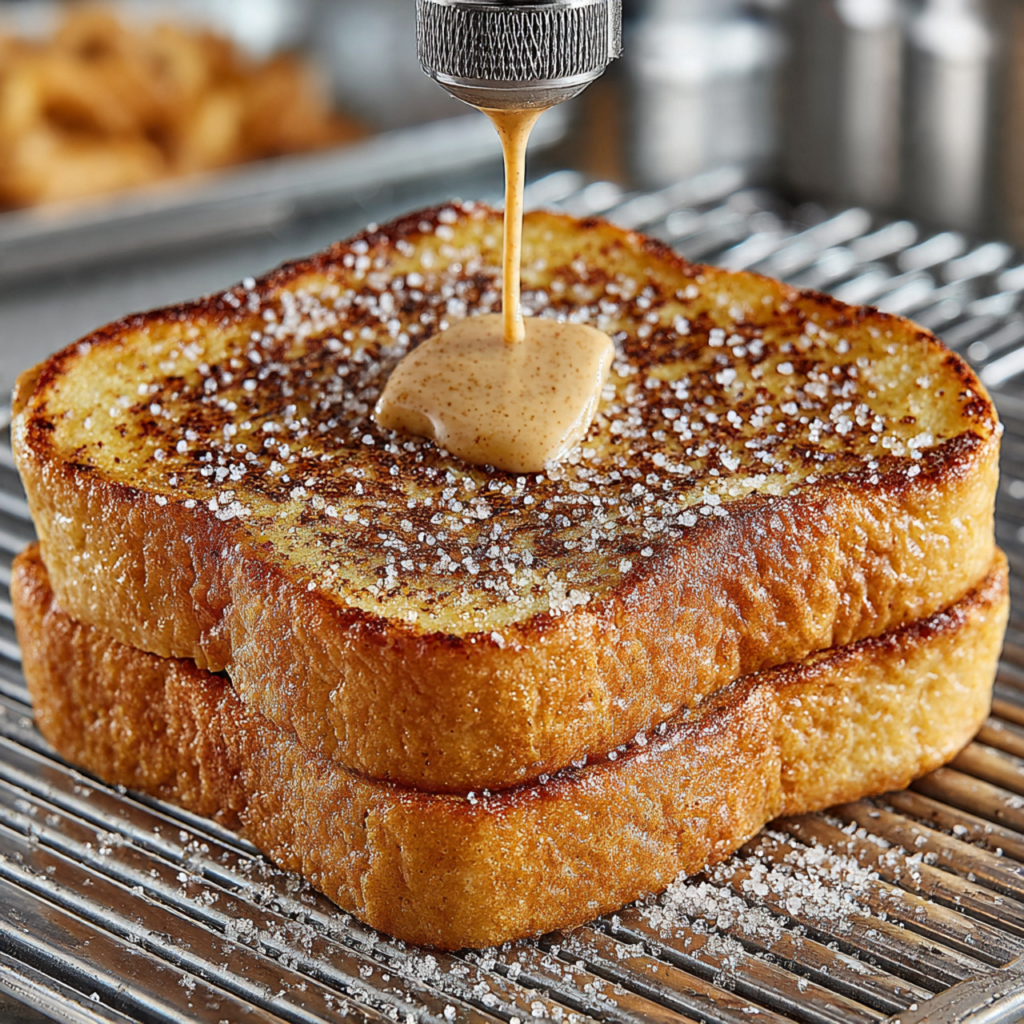
Prep time: 15 minutes | Cook time: 10 minutes | Yields: 4 servings
Ingredients
The Custard:
- 1 cup Heavy Cream
- ½ cup Whole Milk
- 4 large Egg Yolks (save the whites for meringues or scrambling)
- ¼ cup Granulated Sugar
- 1 tbsp Vanilla Extract
- 1 tsp Cinnamon
- ¼ tsp Nutmeg
- Pinch of Salt
The Bread:
- 1 loaf Brioche or Challah, sliced into 1-inch thick slices
The Topping:
- 4 tbsp Granulated Sugar (for caramelizing)
- Fresh berries (raspberries or strawberries) for serving
Instructions
Step 1: Make the Custard Base
In a shallow bowl or a pie dish (something wide enough to fit a slice of bread), whisk together the heavy cream, milk, egg yolks, sugar, vanilla, cinnamon, nutmeg, and salt. Whisk until the mixture is completely uniform and the sugar has dissolved.
- Pro Tip: Do not over-whisk, or you will incorporate too much air, leading to bubbles in your custard.
Step 2: The Soak
Heat a large non-stick skillet or griddle over medium heat. Add a small knob of butter to coat the pan.
Dip each slice of bread into the custard mixture. This is where most people go wrong.
- The Timing: Let the bread soak for about 30 to 45 seconds per side. You want the bread to be saturated through the center, but not so long that it falls apart. The bread should look translucent and feel heavy.
Step 3: The Cook
Place the soaked bread onto the hot skillet. Cook for about 3 to 4 minutes per side. You are looking for a deep golden brown color.
- Why medium heat? Because of the high sugar content in the custard (from the bread and the eggs), high heat will cause the toast to burn before the inside is cooked. Medium heat ensures the custard sets gently.
Step 4: The “Brûlée” Process
Once the toast is cooked, remove it from the pan and place it on a wire rack or a baking sheet. Do not stack them, or the steam will make the sugar soggy.
Sprinkle a generous, even layer of granulated sugar over the top of each piece of toast.
Step 5: Torch and Serve
Using a kitchen blowtorch (a culinary torch is best, but a butane lighter works in a pinch with patience), caramelize the sugar. Move the flame in a circular motion across the sugar. It will melt, bubble, and turn a deep amber color.
Serve immediately. Top with fresh berries to cut through the richness.
Pro Tips for Perfect Texture
1. The “Day-Old” Rule
Fresh bread is actually harder to work with for French toast because it is too springy. Bread that is a day or two old has dried out slightly, allowing it to absorb more custard without disintegrating. If you only have fresh bread, toast it lightly in a dry pan first to dry it out.
2. Don’t Crowd the Pan
If you put too many slices of custard-soaked bread in the pan at once, the temperature of the pan will drop drastically. This causes the bread to steam rather than fry, resulting in a soggy texture. Cook in batches if necessary.
3. The Wire Rack Rest
After cooking, let the toast rest on a wire rack for a minute before torching. If the toast is too hot, the sugar will melt instantly and burn. You want the toast warm, but not piping hot, so the sugar has time to melt and caramelize without turning black.
Serving Suggestions
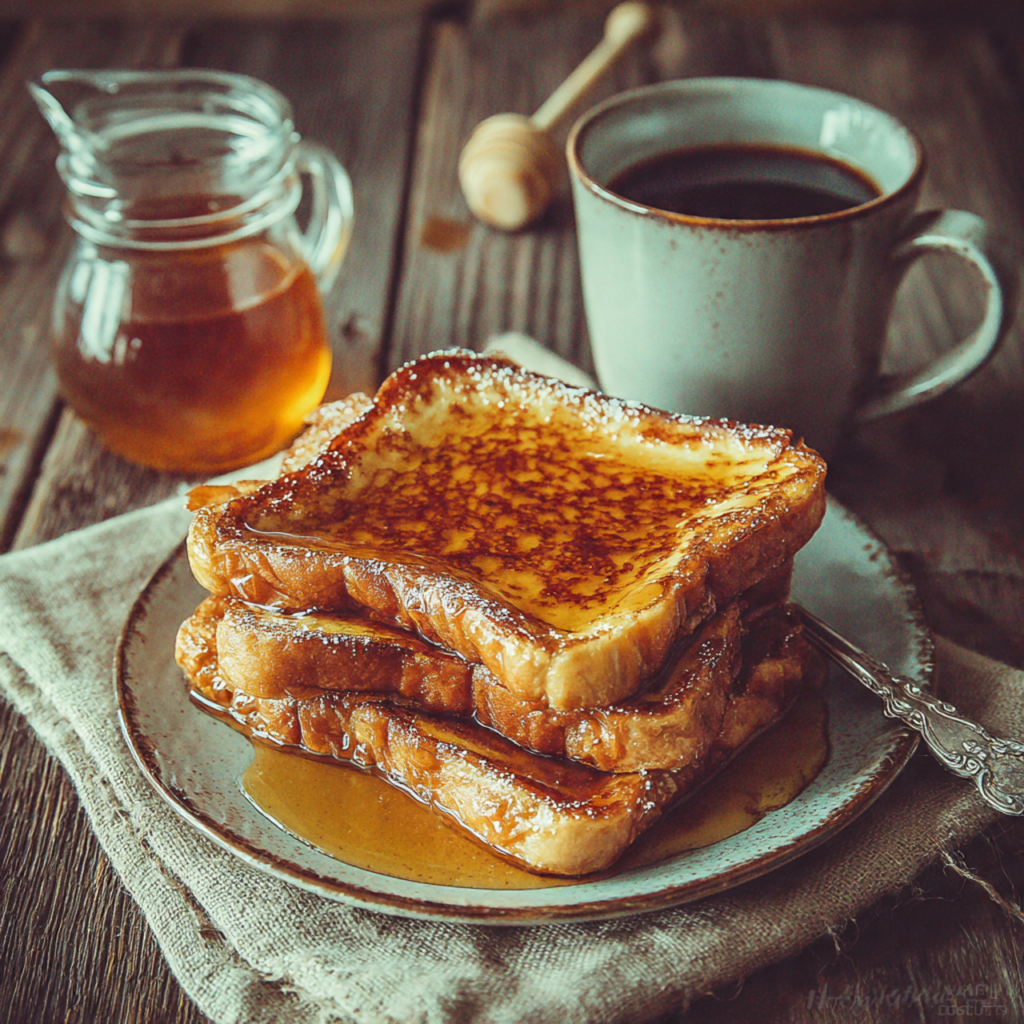
While Crème Brûlée French Toast is a star on its own, the right accompaniments can take it to the next level.
- Berry Compote: A warm mix of raspberries and blueberries cooked down with a little sugar and lemon juice provides a tart contrast to the sweet, rich toast.
- Whipped Cream: A dollop of lightly sweetened whipped cream adds airiness to the heavy dish.
- Citrus Zest: A sprinkle of lemon or orange zest over the caramelized sugar brightens up the vanilla flavors.
Frequently Asked Questions (FAQ)
Q: Can I make the custard ahead of time?
A: Yes! You can whisk the custard mixture up to 24 hours in advance. Keep it covered in the refrigerator. Give it a gentle whisk before using, as the heavy cream may separate slightly.
Q: I don’t have a kitchen torch. Can I still make this?
A: Absolutely. You can place the sugar-topped toast under your oven broiler for 1-2 minutes. Watch it like a hawk, as it can go from perfect to burnt in seconds under a broiler.
Q: Can I use whole eggs instead of just yolks?
A: You can, but the custard will be slightly less rich and more “eggy” in texture. If you use whole eggs, use 3 large eggs instead of the 4 yolks.
Q: Why is my French toast soggy in the middle?
A: This usually happens if the heat was too high (burning the outside before the inside cooked) or if the bread wasn’t soaked long enough (leaving the center dry and doughy). Ensure you soak for a full 45 seconds per side.
Conclusion
Crème Brûlée French Toast is more than just a breakfast; it is an experience. It transforms a humble staple into a sophisticated dessert-style brunch that is sure to impress anyone lucky enough to sit at your table.
By focusing on high-quality ingredients—specifically brioche bread and heavy cream—and mastering the technique of the caramelized sugar crust, you can recreate this café favorite in your own kitchen. So, the next time you have a special occasion or simply want to treat yourself to a luxurious weekend morning, fire up the stove and get your torch ready.